

When you trust a facility to care for your parent or grandparent, abuse or neglect is a painful betrayal. Families across the state, from Atlanta to Middle Georgia, come to a nursing home abuse lawyer with the same worried questions, and this post answers the ones we hear most. Our goal is to help you recognize what to document, understand your options, and protect the older adult you love.
A free, confidential conversation can give you answers that fit your loved one’s situation.
- Nursing home abuse in Georgia can be physical, emotional, sexual, or financial, and it also includes neglect, which is the failure to provide basic care.
- Warning signs families can document include injuries the facility cannot explain, changing accounts from staff, fear around particular workers, unsafe conditions, and unexplained changes to a resident’s money.
- Abuse inside a licensed facility is reported to the Georgia Department of Community Health, while abuse of an adult living outside a facility is reported to Adult Protective Services.
- Georgia law gives long-term care residents a bill of rights and requires many professionals to report suspected abuse.
- Georgia’s resident bill of rights creates its own cause of action, so a family may sue a facility for violating it, separate from any state investigation.
Call Us Now for a Free Consultation!
What Counts as Nursing Home Abuse in Georgia?
Nursing home abuse is any harm caused to a resident by the people or facility responsible for their care, and a single resident may experience more than one form.
Physical, Sexual, and Emotional Abuse
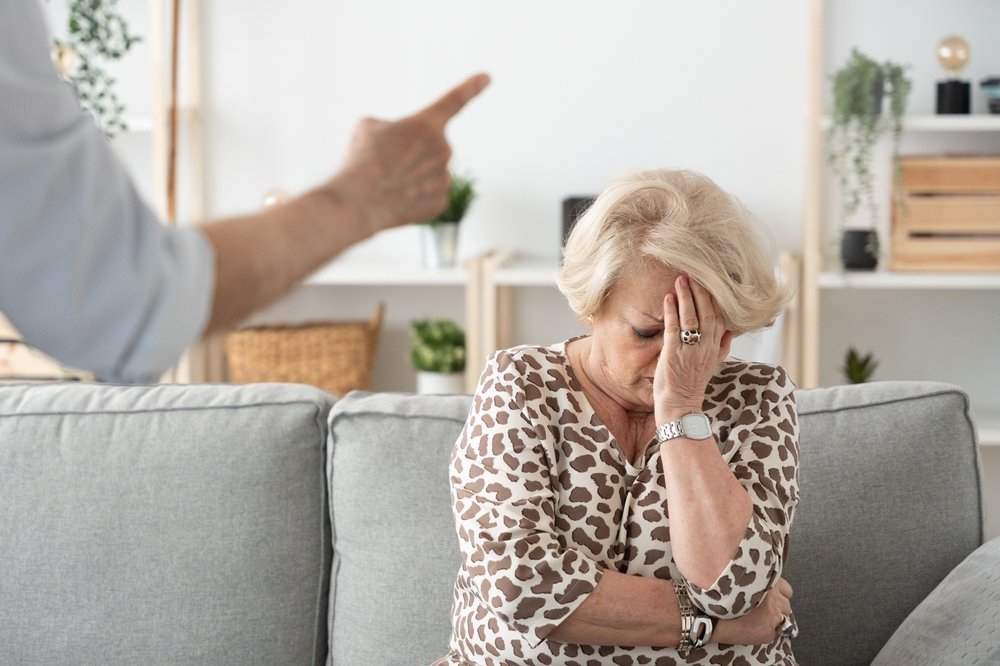
Physical abuse involves hitting, rough handling, or the improper use of restraints. Emotional abuse includes threats, humiliation, isolation, or intimidation that leaves a resident fearful. Sexual abuse is any non-consensual contact, and survivors of it often show fear or withdrawal rather than speaking up.
Financial Exploitation and Neglect
Financial exploitation is the misuse of a resident’s money or property, from forged checks to pressured changes to a will. Neglect, the most common form, is the failure to provide food, water, hygiene, medical care, or supervision. Georgia gives residents specific protections under the Bill of Rights for Residents of Long-Term Care Facilities, O.C.G.A. Sections 31-8-100 through 31-8-127.
What Are the Signs of Nursing Home Abuse?
The signs of nursing home abuse in Georgia often show up in a resident’s condition, behavior, or surroundings. Some are easy to miss, especially when a facility limits your visits or a loved one is afraid to speak.
Signs a family can observe and write down include:
- Injuries the facility cannot explain, or explanations that change from one staff member to the next
- A decline that the facility never reported to the family or the resident’s own doctor.
- New fear or agitation around particular staff members
- Withdrawal, or going quiet when workers are nearby
- Unsanitary rooms, soiled bedding, or unsafe conditions
- Repeated falls that no one can account for
- Missing belongings, sudden bank changes, or new names on accounts
No single sign proves abuse, but a pattern is worth taking seriously.
Abuse Versus Neglect in a Georgia Nursing Home
The difference between abuse and neglect is one of the most common nursing home neglect questions we hear. Abuse is a harmful act done to a resident, like striking or threatening them. Neglect is a failure to act, like ignoring calls for help or leaving a resident without the assistance they were promised.
Both are serious. Under Georgia law, a facility can be held accountable for either one when it falls short of the care a resident needed.
What Should You Do If You Suspect Abuse in Georgia?
If you suspect abuse, act quickly to protect the resident and preserve what you notice. Start by making sure your loved one is safe, and call 911 if anyone is in immediate danger. From there, Georgia gives families clear ways to report and get help.
For abuse inside a licensed nursing home, file a complaint with the Georgia Department of Community Health, Healthcare Facility Regulation. You can also submit a report of suspected elder abuse through the state, and for an adult who lives outside a facility, contact Adult Protective Services. Georgia law requires many professionals to report suspected abuse in long-term care under O.C.G.A. Section 31-8-82.
The Long-Term Care Ombudsman Program is another resource, investigating complaints and advocating for residents’ rights. While you report, write down what you see, take dated photos of conditions, and keep copies of records.
Legal Options After Nursing Home Abuse in Georgia
 Beyond reporting, families may have the right to bring a civil claim for the harm a resident suffered. A civil case is separate from any state investigation or criminal charge, and it seeks money to cover medical costs, pain, and other losses.
Georgia’s resident bill of rights goes further than most states. Under O.C.G.A. Section 31-8-126, a resident whose rights are violated has a cause of action against the facility, with civil and criminal penalties available.
A claim may target the facility, its ownership, or staff, depending on what went wrong, such as understaffing, poor hiring, or ignored warnings. Georgia’s deadline to file most injury claims is two years under O.C.G.A. Section 9-3-33, though shorter notice rules can apply in some cases. If a resident died, the close family may pursue a wrongful death claim for the loss.
Speaking with a lawyer early helps preserve evidence like staffing records and care charts before they disappear.
How Our Georgia Nursing Home Abuse Lawyers Can Help
Our Georgia nursing home abuse lawyers investigate what happened, gather the records a facility may not volunteer, and build the case for accountability. At McArthur Law Firm, we have represented injured people and grieving families across Georgia for 44 years, recovering more than $450 million along the way.
Results may vary. Prior case outcomes do not guarantee similar results.
Founding attorney Kathy McArthur is board-certified in Medical Malpractice by the American Board of Professional Liability Attorneys, which speaks directly to the standard-of-care questions these cases raise. She also holds board certification in Civil Trial Law from the National Board of Trial Advocacy.
Call Us Now for a Free Consultation!
FAQs: Nursing Home Abuse Lawyer Georgia
The questions below come up often once a family begins looking closely at a loved one’s care.
Who can file a nursing home abuse claim in Georgia?
Usually, the resident can, but when they cannot act for themselves, a spouse, adult child, or legal representative may step in. If the resident has died, close family members or the estate may bring a claim, often as a wrongful death case.
What if we signed an arbitration agreement with the nursing home?
Many facilities ask families to sign arbitration agreements at admission, which can limit the right to a jury trial. These agreements are not always enforceable, and Georgia courts look closely at how and when they were signed. Have a lawyer review the paperwork before you assume your options are closed.
Will the nursing home retaliate if we report abuse?
Retaliation against a resident for a good-faith report is not allowed, and it can add to a facility’s legal exposure. If you notice worse treatment, moved belongings, or sudden talk of discharge after a report, write it down and tell the state and a lawyer.
How much does a nursing home abuse lawyer cost?
We handle these cases on a contingency fee, meaning the fee is a share of what we recover rather than an hourly bill, so there is no attorney fee unless we recover for your family. The first consultation is free and confidential.
Can we still take legal action if we already reported to the state?
Yes, a state investigation and a civil claim are separate tracks, and one does not replace the other. Findings from a state inspection can sometimes support a civil case. You can pursue accountability in court even after filing a report.
Are You Ready to Talk With Our Georgia Nursing Home Abuse Lawyers?

Founding Partner
If you believe someone you love is being harmed in a Georgia nursing home, you do not have to figure out the next step by yourself. We will listen, explain your options, and move quickly to protect your loved one, at no cost to you for the first conversation. Call McArthur Law Firm in Macon at 478-238-6600.
Call Us Now for a Free Consultation!
McArthur Law Firm – Main Macon Office
6055 Lakeside Commons Drive, Suite 400
Macon, GA 31210
Phone: 478-238-6600