


By: Katherine L. McArthur, founder of McArthur Law Firm, board-certified by the National Board of Trial Advocacy in Truck Accident Law, Civil Trial Law, and Civil Practice Advocacy
Quick Answer:
After a Georgia holiday travel fatal car accident, families generally have two claims to consider: a wrongful death claim held by the statutory beneficiaries and separate claims belonging to the decedent’s estate. Early steps may include preserving the vehicle and other crash evidence, obtaining the law enforcement report from the Georgia Department of Public Safety, and determining who has authority to handle the estate and insurance matters.
The state trooper does not usually leave the family with a case plan. He or she leaves with condolences, a case number, and a rough timeline for when the report will be available. What happens between that moment and the point where a family is ready to think about a claim is where much of this piece lives.
Families dealing with a Georgia holiday travel fatal car accident face a specific set of realities the rest of the year does not create. The crash usually happened on an interstate corridor away from home. The responsible driver may live in another state.
The weeks between the loss and any meaningful next step often overlap with the December holidays. What follows walks through the practical shape of those first weeks.
Call Us Now for a Free Consultation!
Key Takeaways About Fatal Holiday Crashes in Georgia
- Fatal Georgia holiday crashes often happen far from where the deceased and the family live, which affects report requests, vehicle handling, and coordination with counsel.
- Georgia State Patrol crash reports may take several weeks to finalize, depending on the investigation, and the delay sometimes overlaps with the holiday calendar.
- Georgia distinguishes between the wrongful death claim for the full value of the decedent’s life and separate claims belonging to the estate, and different family members may hold each claim.
- The deceased’s vehicle sits somewhere from the moment of the crash forward, and decisions about towing, storage fees, and evidence preservation need attention early.
- Commercial trucking defendants on Georgia interstates operate under federal evidence-retention rules that may affect preservation-letter timing.
Who Can Bring a Claim After a Fatal Georgia Car Accident?
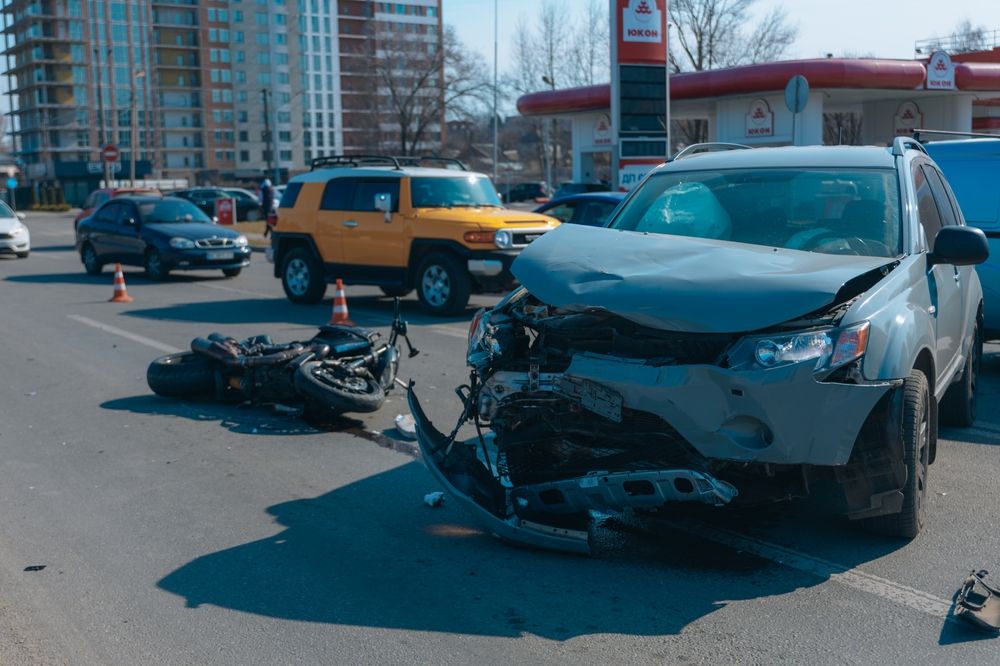 Georgia recognizes two separate types of claims after a fatal car accident. The wrongful death claim covers the full value of the life of the decedent and belongs to the statutory beneficiaries.
The estate claim covers medical bills from the injury through death, funeral expenses, and any conscious pain and suffering before death, and belongs to the personal representative of the estate.
Georgia’s wrongful death standing rules generally begin with the surviving spouse under O.C.G.A. § 51-4-2, followed by surviving children. Parents may pursue the claim under O.C.G.A. §§ 19-7-1 and 51-4-4 when there is no spouse or child.
The personal representative of the estate may proceed under O.C.G.A. § 51-4-5 when none of those relatives survive.
The two claims often move together in the same case. Different family members may hold different pieces of the recovery, which affects how the case gets organized from the start.
Getting the Crash Report When You Do Not Live in the County Where It Happened
The state trooper who worked a fatal crash on I-75 in Peach County does not send the report to the deceased’s family in Cobb County. Families request it through the Georgia Department of Public Safety, which handles Georgia State Patrol reports statewide.
Report processing after a fatal crash may take several weeks, depending on the investigation. The trooper needs to complete the narrative, the reconstruction if one is performed, and any supplemental interviews. Families who ask for the report on day three usually hear that it is still open.
Steps that often help while waiting for the finalized report include:
- Recording the case number and the investigating trooper’s name and badge number when contacting the trooper’s post.
- Requesting a preliminary report if one is available for insurance and preservation purposes.
- Contacting the coroner’s office in the county where the crash occurred for the death certificate timeline.
- Preserving the deceased’s phone, in unlocked or accessible condition when possible, for later evidence review.
- Photographing the deceased’s vehicle at the tow yard before repairs, disposal, or auction.
Waiting on the report is not the same as waiting on the case. Much of the evidence work that shapes a later claim starts before the report is in hand.
What Happens with the Vehicle When the Crash Was on an Interstate Far from Home?
The deceased’s vehicle often ends up at a rotation tow yard used by the responding law enforcement agency, typically within a few miles of the crash site.
Storage fees may begin accruing immediately, depending on the tow provider. Family members who live in a different part of Georgia or out of state face a decision within days about what to do with the vehicle.
Rushing the vehicle to a salvage yard is a common early mistake. The vehicle may carry evidence that a later claim needs, including event data recorder (EDR) information, physical damage patterns, and the position of restraints at the moment of impact.
Vehicle-handling steps that may protect a later claim
Vehicle-handling decisions in the first week after a fatal Georgia holiday crash carry more weight than most families realize. Several steps often help preserve the family’s later legal options.
- Take extensive photographs of the vehicle from every angle before it moves anywhere new.
- Retrieve personal belongings from the vehicle before storage fees consume the insurance property-damage payout.
- Instruct the tow yard in writing not to release the vehicle for repair, auction, or salvage.
- Notify the deceased’s auto insurance carrier that the family is preserving the vehicle for potential litigation.
- Coordinate with counsel on downloading the EDR data before the vehicle changes possession.
Storage costs may add up, but releasing the vehicle before important evidence is preserved may create problems later.
Commercial Trucks on Georgia Interstates and What They Change
A commercial truck involved in a fatal Georgia interstate holiday crash changes the evidence timeline immediately. Federal Motor Carrier Safety Administration (FMCSA) regulations impose retention requirements on certain driver, electronic logging device (ELD), testing, qualification, and maintenance records.
Other evidence, including dispatch communications and onboard electronic data, may follow different retention practices.
ELD records under FMCSA rules must be retained by motor carriers for six months. Post-crash drug and alcohol testing turns on specific triggering conditions under 49 C.F.R. § 382.303. Trip records, driver qualification files, and vehicle maintenance records each run on their own schedules.
Some electronic or company records may be overwritten or lost before federally regulated retention periods for other records expire. A preservation letter may identify relevant evidence and request that the carrier retain it while the claim is investigated.
Common categories of evidence that often need early preservation from a motor carrier defendant include:
- Electronic logging device data from the truck involved in the crash.
- The driver’s hours-of-service records and any exception logs.
- Post-crash drug and alcohol testing results, when the triggering conditions applied.
- Dispatch communications and load documents from the trip.
- The truck’s maintenance file for at least the year preceding the crash.
Sending a written preservation letter early after the crash is standard practice on commercial trucking cases. Waiting sometimes costs specific evidence categories.
What About the Coroner’s Report and the Death Certificate?
The county coroner or medical examiner in the county where the crash occurred handles the death certification, not the trooper. The death certificate is typically required to open a probate estate, to file life insurance claims, and to establish the family’s later claim posture.
Death certificates may take several weeks to issue after a fatal crash, depending on the county and the circumstances. Autopsies, when performed, add time. Toxicology results add more.
Families waiting on final documents through the December holidays may see the timeline extend further.
What Do Court Closures and Insurer Year-End Staffing Actually Change?
 Georgia court closures during the December holidays affect probate filings, emergency motions, and any hearings that a fatal-crash case may need in the first weeks. Superior courts, probate courts, and magistrate courts each set their own holiday schedules.
Insurers may also run reduced staffing between Christmas and New Year’s. Claim adjusters go on leave. Managers rotate coverage.
Response times on liability claims may stretch longer during the holiday period than the rest of the year. Families who assume the silence means the case is not moving may be reading normal holiday staffing patterns.
None of this stops the case from being worked. It does mean the calendar between the crash and the first substantive claim activity may run longer during the holidays than the same case would run in June.
Working with Counsel During the First Weeks After a Fatal Holiday Crash
McArthur Law Firm has represented Georgia families after fatal interstate crashes on I-75, I-16, I-85, I-20, and I-95 for 44 years. Founder Katherine McArthur is Certified as a Truck Accident Law Specialist by the National Board of Trial Advocacy, a credential held by fewer than ten Georgia attorneys.
The first weeks after a holiday fatal crash rarely involve major litigation decisions. Counsel may help coordinate evidence preservation, law enforcement records, and insurance communications during those first weeks.
Prior results do not guarantee a similar outcome. Each case depends on its facts and applicable law.
Call Us Now for a Free Consultation!
FAQs for Georgia Holiday Travel Fatal Car Accident Situations
Who handles a fatal crash investigation on a Georgia interstate?
Georgia State Patrol usually handles fatal crash investigations on Georgia interstates. Local police or sheriff’s deputies typically handle investigations on other roads.
The Georgia Department of Public Safety maintains the reports Georgia State Patrol produces, and families request finalized reports from that agency.
What if the responsible driver lives in another state?
Georgia courts generally have jurisdiction over an out-of-state driver whose actions caused a fatal crash on a Georgia road.
Serving an out-of-state defendant sometimes requires additional procedural steps. Coordinating with a Georgia attorney early affects how quickly service and the case may proceed.
May our family handle communications with the insurance company ourselves?
Maybe, though early communications with an insurer often affect the value of a later claim. Insurance adjusters may request recorded statements or signed releases in the first days after a loss.
Reviewing those requests with counsel before responding may help the family understand their legal effect.
What if my loved one was riding as a passenger in a family member’s car?
The family may have a claim based on the driver’s negligence even when the driver was a relative. The driver’s liability insurance may provide coverage for the claim, subject to the policy terms and other applicable coverage issues.
Family dynamics sometimes complicate these cases and are worth talking through with counsel.
How does holiday timing affect the two-year filing deadline?
Georgia generally provides two years to bring a wrongful death action under O.C.G.A. § 9-3-33, but tolling rules and other exceptions may affect that period.
Holiday closures alone do not extend the deadline, so families should not assume that a courthouse closure gives them additional time to file.
The First Weeks Do Not Have to Be Handled Alone

Car Accident Attorney
Every Georgia holiday fatal crash puts a specific operational load on a family in the weeks when they have the least capacity to carry it. Report requests, vehicle preservation, insurer communications, and coordination across counties all fall on someone.
Call McArthur Law Firm at 478-238-6600 to talk through what needs to happen while your family manages what only your family can manage.
Call Us Now for a Free Consultation!
McArthur Law Firm – Main Macon Office
6055 Lakeside Commons Drive, Suite 400
Macon, GA 31210
Phone: 478-238-6600