


When a funeral home in Atlanta or Macon violates a family’s trust, the damage goes far beyond paperwork or procedure, it cuts into grief that is already raw. Families expect care, honesty, and respect during one of the hardest moments of their lives. When remains are mishandled, cremations are done without permission, or the truth is hidden, anger and heartbreak quickly follow. A funeral home abuse lawyer steps in when excuses are no longer acceptable and answers are long overdue.
Georgia Funeral Home Abuse Lawyer
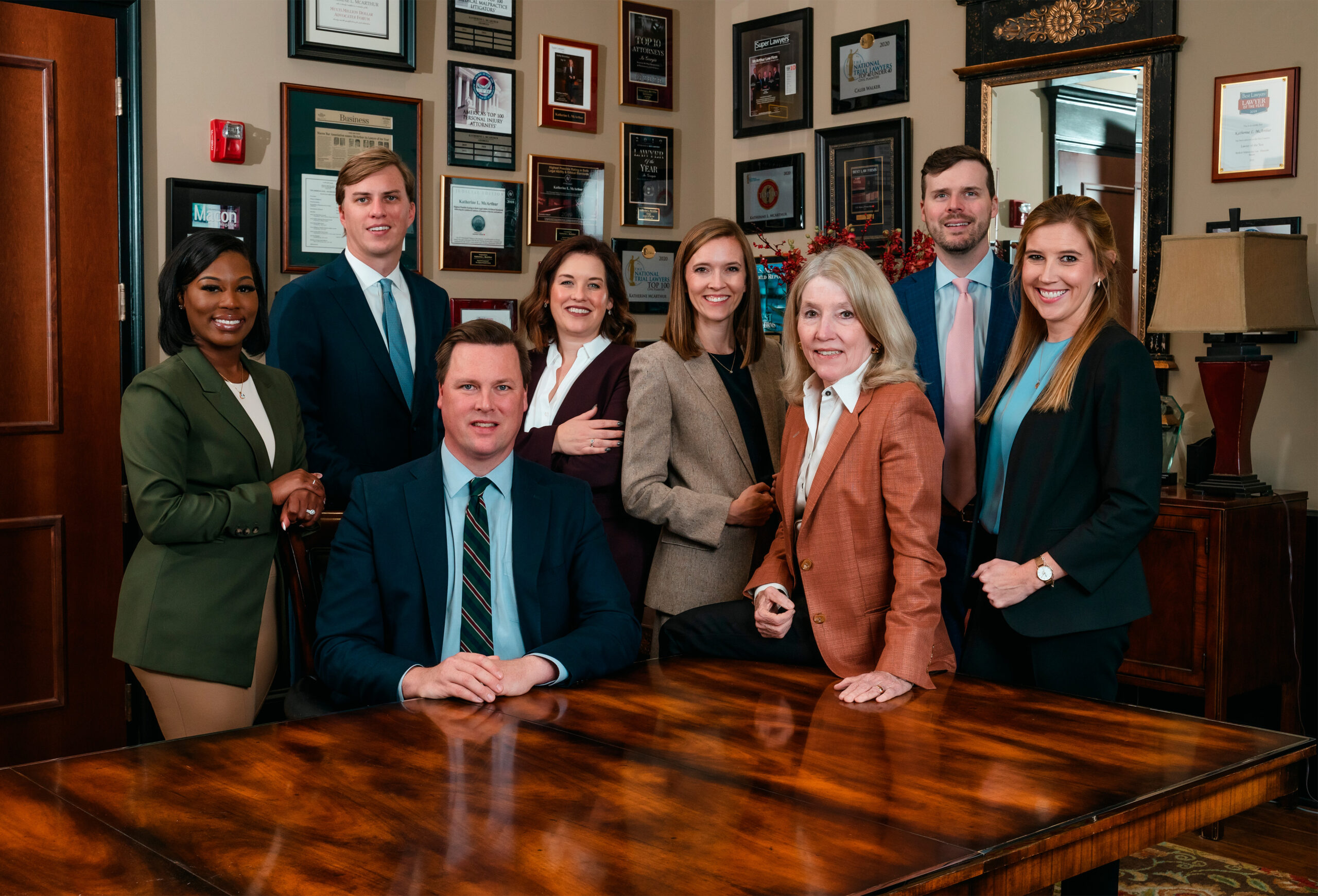
McArthur Law Firm has spent decades standing up to powerful institutions across Georgia, including right here in Atlanta and Macon, and bringing accountability when people are wronged behind closed doors. Below, the firm breaks down what families should know about funeral home abuse, from how it happens and who may be responsible to the legal paths available, the types of compensation that may be pursued, and how a Georgia funeral home abuse lawyer can take on the fight for justice when families need it most.
McArthur Law Firm serves the entire state of Georgia, including: Fulton County, Bibb County and Fulton County, as well as Clayton County, Cherokee County, Forsyth County, and surrounding communities. For more information about the McArthur Law Firm or to set up a free consultation to learn what we may be able to do to help you with your loved one’s funeral home abuse case, give us a call at one of our offices in Georgia or fill out our online contact form.
- Atlanta Office: 404-565-1621
- Macon Office: 478-238-6600
- Warner Robins: 478-551-9901
Overview of Funeral Home Abuse in Georgia
- Types of Funeral Home Abuse in Georgia
- Injuries Caused by Funeral Home Abuse in Georgia
- Where Funeral Home Abuse Commonly Occurs in Georgia
- Who May Be Liable for Funeral Home Abuse Under Georgia Law
- How a Georgia Funeral Home Abuse Lawyer Helps Families in Atlanta and Macon
- Frequently Asked Questions About Funeral Home Abuse
- Resources
Types of Funeral Home Abuse in Georgia
Mishandling or Desecration of Human Remains — This form of funeral home abuse occurs when a body is treated without basic dignity or care after death. In Georgia, investigations have uncovered remains left unrefrigerated, stored in unsafe conditions, stacked on top of one another, or allowed to decompose. Families trust funeral homes to safeguard their loved ones during an intensely vulnerable time, and mishandling often causes severe emotional trauma once discovered. This type of abuse can happen in both small local facilities and large metro-area operations, including Atlanta and Macon, where volume and understaffing may increase risks.
Cremation Abuse and Crematory Negligence — Problems related to cremation are among the most disturbing forms of funeral home abuse in Georgia. These situations may involve cremating the wrong body, mixing remains from multiple individuals, returning ashes that do not belong to the deceased, or performing a cremation without proper authorization. Families often choose cremation for deeply personal, religious, or financial reasons, making errors or misconduct especially devastating. When trust in the process is broken, families may never feel certain that their loved one was properly cared for.
Unauthorized Burial or Improper Burial Practices — Burial-related abuse happens when funeral homes or cemeteries fail to follow agreed-upon arrangements. This can include burying someone in the wrong plot, placing remains in unmarked or mass graves, reusing burial plots without family consent, or ignoring specific cultural or religious instructions. In Georgia, where many families maintain multigenerational burial plots, improper burial practices can affect not just one family but entire family histories.
Funeral Home Fraud and Financial Exploitation — Financial abuse often targets grieving families who are under emotional distress and less likely to question charges. This type of funeral home abuse may involve billing for services never provided, switching out paid-for caskets or urns with cheaper alternatives, falsifying paperwork, or inflating costs without explanation. In high-demand areas like Atlanta, where funeral services can be expensive, families may not realize fraud has occurred until long after the funeral is over. This abuse combines emotional harm with significant financial loss.
Embalming Abuse and Chemical Misuse — Embalming-related abuse occurs when funeral homes embalm a body without consent or perform the procedure improperly. Some families specifically decline embalming for religious or personal reasons, yet later learn it was done anyway. Other cases involve unsafe embalming practices that lead to chemical leaks, health risks, or damage to remains. Because embalming happens behind closed doors, families often have no way of knowing whether proper procedures were followed unless whistleblowers or inspections reveal violations.
Lost, Stolen, or Misidentified Remains — One of the most shocking forms of funeral home abuse involves remains that are lost, stolen, or given to the wrong family. This can include misplaced bodies, swapped remains, missing ashes, or personal items taken from the deceased. These cases are especially traumatic because they deprive families of closure and certainty.
Improper Storage and Facility Neglect — Abuse can also stem from the physical condition of the funeral home or crematory itself. Poor maintenance, broken refrigeration units, pest infestations, and failure to meet health standards can all lead to the deterioration of remains. Families rarely see these areas of a facility, particularly in busy cities like Atlanta or centralized crematories serving Macon and surrounding counties. When neglect is discovered, it often reveals long-term systemic failures rather than isolated mistakes.
Injuries Caused by Funeral Home Abuse in Georgia
Severe Emotional Distress and Psychological Trauma — Discovering that a loved one’s remains were mistreated often triggers intense emotional suffering. Families may experience shock, anger, guilt, and a sense of betrayal that disrupts daily life and emotional stability long after the abuse is uncovered.
Complicated Grief and Prolonged Mourning — Funeral home abuse can interfere with the natural grieving process. When families lose trust in how their loved one was handled, closure becomes difficult, and grief may persist or worsen instead of gradually healing.
Anxiety, Depression, and Post-Traumatic Stress Symptoms — Exposure to funeral home misconduct may lead to ongoing mental health struggles, including panic attacks, sleep disturbances, intrusive thoughts, and symptoms commonly associated with trauma-related conditions.
Cultural and Religious Harm — Many families in Georgia follow specific religious or cultural funeral practices. When those practices are ignored or violated, the harm extends beyond emotional pain and affects deeply held beliefs and traditions.
Loss of Peace, Trust, and Closure — Funeral home abuse often leaves families questioning what truly happened to their loved one. That uncertainty can result in a lasting loss of trust in institutions meant to provide care and dignity during life’s most vulnerable moments.
Where Funeral Home Abuse Commonly Occurs in Georgia
High-Volume Funeral Homes in Atlanta — In the Atlanta metro area, funeral homes often manage a heavy volume of services. When facilities are understaffed or rushed, improper handling of remains, documentation errors, and overlooked procedures are more likely to occur without immediate detection.
Crematories Serving the Greater Atlanta Area — Many Atlanta-area crematories handle cases from multiple counties. High demand and limited oversight can increase the risk of misidentified remains, mixed ashes, or cremations performed without proper authorization.
Corporate Funeral Chains in Metro Atlanta — Large, corporate-owned funeral homes operate throughout Atlanta. Cost-cutting, centralized management, and staff turnover can contribute to inadequate supervision and systemic problems that allow abuse to continue unnoticed.
Regional Funeral Homes and Crematories in Macon — Macon serves as a central service area for many surrounding communities. Facilities handling cases from multiple counties may face delays, overcrowding, or rushed processes that put dignity and proper care at risk.
Older Facilities and Limited Local Oversight in Macon — Some Macon-area funeral homes operate in aging buildings with outdated equipment. Maintenance issues and infrequent inspections may contribute to improper storage or neglect of remains.
Who May Be Liable for Funeral Home Abuse Under Georgia Law
Funeral Homes and Crematories — Funeral homes and crematories are usually the primary parties responsible because they control the handling, storage, and disposition of human remains. In Georgia, these businesses are regulated by the Georgia Funeral Service Act, O.C.G.A. Title 43, Chapter 18. Violations such as mishandling remains, unauthorized cremation, improper storage, or misrepresentation of services may support civil liability in addition to regulatory discipline.
Licensed Funeral Directors and Embalmers — Individual funeral directors and embalmers may be personally liable when they directly engage in misconduct. O.C.G.A. § 43-18-46 identifies professional violations including gross neglect, willful misconduct, deception, and failure to safeguard remains or personal property. These standards help establish whether professional duties were breached.
Corporate Funeral Chains and Parent Companies — Many Georgia funeral homes are owned by corporate entities rather than local operators. Corporate owners may be liable when abuse results from policies such as understaffing, poor training, or lack of supervision. Liability often depends on the level of control the corporation exercised over daily operations.
Cemeteries and Preneed Funeral Sellers — When abuse involves burial plots, cemetery practices, or prepaid funeral arrangements, the Georgia Cemetery and Funeral Services Act of 2000, O.C.G.A. § 10-14-1, may apply. O.C.G.A. § 10-14-17 identifies prohibited acts, and O.C.G.A. § 10-14-21 allows harmed purchasers to seek civil remedies.
Third-Party Transport and Storage Companies — Abuse may also occur during the transport or temporary storage of remains. Third-party providers can be liable if they mishandle remains, lose identification, or fail to follow required procedures. Responsibility depends on custody and control at the time of the misconduct.
Unauthorized Cremation or Burial and Right of Disposition Violations — Disputes often arise over who had authority to approve cremation or burial. Georgia law addresses this through O.C.G.A. § 31-21-7, which sets out the legal right of disposition. Funeral homes may be liable if they proceed without valid authorization or ignore known disputes.
Criminal Laws That Support Civil Accountability — Certain conduct may also violate Georgia criminal statutes, including O.C.G.A. § 31-21-44.1, which addresses abuse of a dead body, and O.C.G.A. § 31-21-44, which covers unlawful removal or disturbance of human remains. While criminal charges are separate, the same conduct may support civil claims.
Deceptive Billing and Funeral Home Fraud — When families are billed for services not provided or misled about funeral goods or services, liability may arise under fraud principles and, in some cases, the Georgia Fair Business Practices Act, O.C.G.A. § 10-1-390, depending on the nature of the conduct.
Statute of Limitations for Funeral Home Abuse in Georgia — Claims for negligence and emotional distress generally fall under O.C.G.A. § 9-3-33, which provides a two-year deadline. Fraud claims typically allow four years under O.C.G.A. § 9-3-31, and written contract claims may allow six years under O.C.G.A. § 9-3-24. Because funeral home abuse is often discovered late, timing depends on when the misconduct was uncovered and which claims apply.
How a Georgia Funeral Home Abuse Lawyer Helps Families in Atlanta and Macon
Focused Investigation of Local Funeral Homes and Crematories — A Georgia funeral home abuse attorney familiar with Atlanta and Macon knows which facilities and crematories handle high volumes and can quickly secure records, footage, and chain-of-custody documents before they are lost or altered.
Handling Insurance Claims Tied to Funeral Home Abuse — Many funeral homes in metro Atlanta and central Georgia carry specialized insurance. A local lawyer identifies all coverage, communicates with insurers, and challenges attempts to downplay emotional harm.
Filing Lawsuits in the Proper Georgia Courts — These cases must be filed in the correct county. Lawyers experienced in Atlanta and Macon courts understand local procedures and timelines, helping cases move efficiently.
Proving Emotional Harm Unique to Funeral Home Abuse — These claims focus on grief, loss of dignity, and trauma. A Georgia funeral home abuse lawyer presents evidence of disrupted religious practices, loss of closure, and lasting emotional harm.
Fighting for Full Damages for Georgia Families — A local lawyer pursues compensation for emotional distress, funeral costs, fraud-related losses, and punitive damages when misconduct is severe.
Frequently Asked Questions About Funeral Home Abuse
What is considered funeral home abuse in Georgia?
Funeral home abuse includes mishandling remains, unauthorized cremation, lost ashes, fraud, and neglect, often discovered later, causing emotional harm to families in Atlanta and Macon.
How do families usually discover funeral home abuse?
Families often notice missing ashes, conflicting paperwork, unusual delays, sealed areas, or inconsistent explanations from funeral homes or crematories serving Atlanta or Macon communities nearby.
Can funeral home abuse occur without physical injury?
Yes, funeral home abuse claims focus on emotional distress, loss of dignity, and cultural harm, even without physical injury, under Georgia law for families locally.
Where does funeral home abuse most often happen?
Abuse can occur at high-volume funeral homes, crematories, transport services, or cemeteries, especially in busy metro Atlanta and regional Macon hubs serving surrounding counties statewide.
Why does hiring a Georgia funeral home abuse attorney matter?
A local funeral home abuse attorney understands Atlanta and Macon facilities, court systems, and industry practices, helping families act quickly before evidence disappears or changes.
How does a lawyer help with insurance claims in these cases?
A lawyer handles insurance claims by identifying coverage, stopping unfair denials, and demanding compensation for emotional harm unique to funeral home abuse cases in Georgia.
When should someone contact a Georgia funeral home abuse lawyer?
Families should call a funeral home abuse lawyer immediately after discovering misconduct, especially in Atlanta or Macon, to protect rights and preserve evidence quickly locally.
What damages can a funeral home abuse lawyer pursue?
A funeral home abuse lawyer can pursue damages for emotional distress, funeral costs, fraud losses, and punitive damages when conduct is severe under Georgia law.
Resources
Georgia Attorney General’s Consumer Protection Division – Funerals and Cemeteries — This page explains consumer rights related to funeral homes, crematories, and cemeteries in Georgia. It outlines protections under the FTC Funeral Rule and common pricing practices. Readers can learn what funeral providers must disclose and how to file a consumer complaint.
Georgia Department of Human Services – Guide to Funeral Homes, Crematories, and Cemeteries — This guide provides an overview of funeral, cremation, and burial practices in Georgia. It explains relevant laws, consumer rights, costs, and regulatory agencies. Readers can learn how final disposition decisions are made and what standards apply to funeral service providers.
Georgia Bureau of Investigation – Funeral Home Abuse Case — This press release summarizes the Georgia Bureau of Investigation’s criminal case involving a funeral home in Douglas, Georgia. It outlines arrests, charges, investigation updates, and the identification of remains. Readers can learn what violations were alleged, how the investigation progressed, and how families were notified by state authorities.
DeKalb County Medical Examiner – Frequently Asked Questions — This FAQ page explains how the DeKalb County Medical Examiner’s Office handles deaths under its authority. It covers autopsies, identification, release of remains, death certificates, and timelines. Readers can learn what families should expect after a death and how the medical examiner works with funeral homes.
Drexel Law Review – Emotional Distress Recovery for Mishandling of Human Remains — This law review article surveys how U.S. states address civil claims for emotional distress caused by mishandling human remains. It explains legal standards, limits on recovery, and differences among jurisdictions.
Federal Trade Commission – The Funeral Rule — This Federal Trade Commission page explains the Funeral Rule and how it protects consumers arranging funerals. It outlines required price disclosures, consumer choice rights, and provider obligations. Readers can learn when the rule applies and how the FTC enforces compliance.
Hire a Personal Injury Lawyer for Funeral Home Abuse in Atlanta, Georgia
McArthur Law Firm serves the cities of Atlanta in Fulton County, Macon in Bibb County, Kathleen in Houston County, Peachtree Corners and Lawrenceville in Gwinnett County, Marietta and Smyrna in Cobb County, Stonecrest, Brookhaven and Dunwoody in Dekalb County, Albany in Dougherty County, Columbus in Muscogee County and throughout the surrounding areas of the state of Georgia.
Contact one of our offices at the following numbers or fill out an online contact form to start building your case.
- Atlanta Office: 404-565-1621
- Macon Office: 478-238-6600
- Warner Robins: 478-551-9901