


An amusement park visit is supposed to be exciting and memorable, but when rides malfunction, safety procedures fail, or hazards are ignored, a day of fun can quickly turn into a serious emergency. Roller coasters, drop towers, water rides, and mechanical attractions operate with powerful forces and complex machinery. When something goes wrong, riders and bystanders can suffer severe injuries in seconds. Families visiting popular Georgia attractions trust that rides are properly maintained and operated safely, yet accidents still occur.
Georgia Amusement Park Accident Lawyer
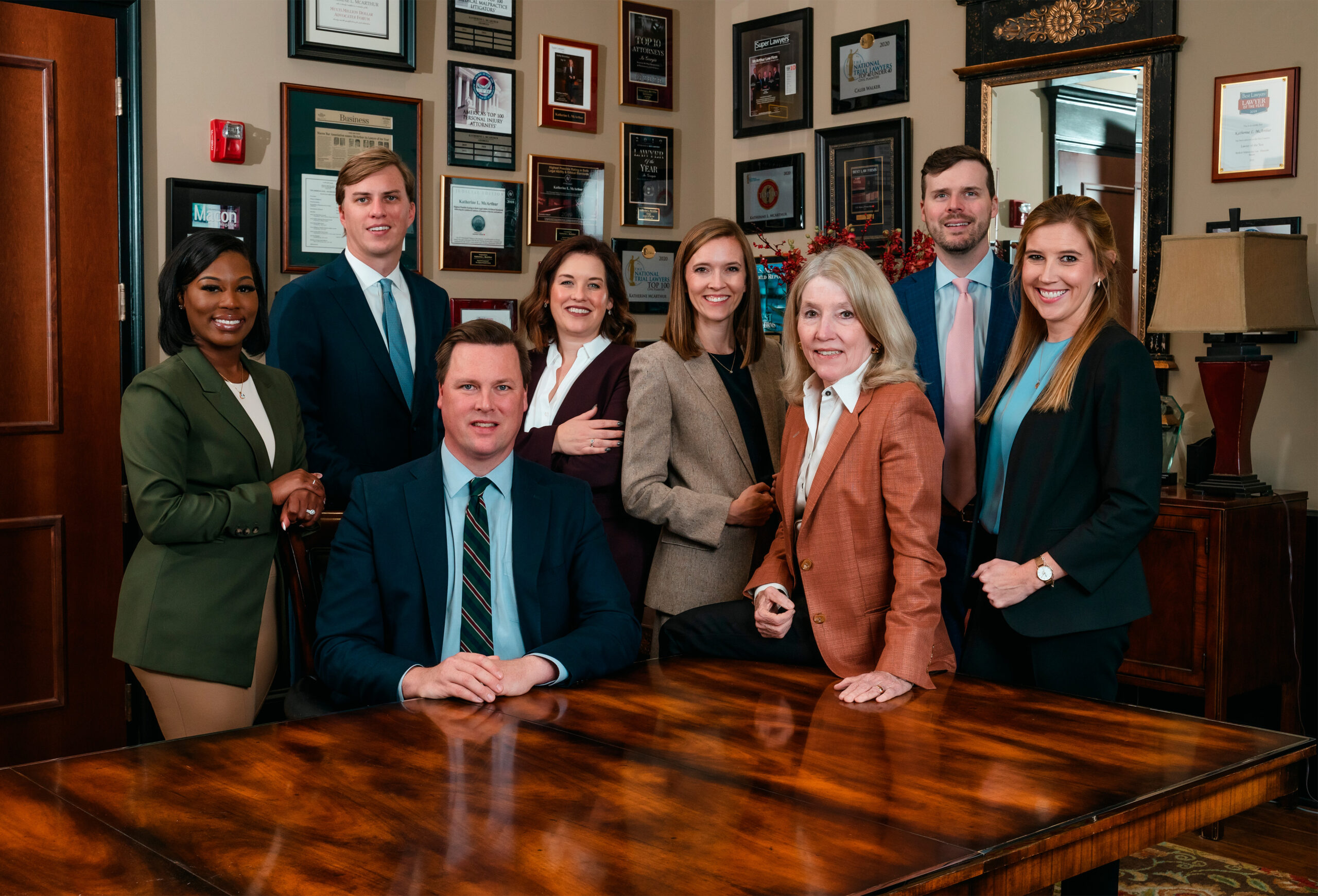
McArthur Law Firm has spent decades fighting for injured Georgians and their families. The firm has a proven record of taking on large corporations, insurance companies, and negligent operators. Below, McArthur Law Firm explains what victims and families should know about Georgia amusement park accidents, including how these incidents happen, who may be responsible, what legal options may exist, the types of compensation that may be available, and how a Georgia amusement park accident lawyer can fight for accountability, recovery, and justice.
McArthur Law Firm serves the entire state of Georgia, including: Fulton County, Bibb County and Fulton County, as well as Clayton County, Cherokee County, Forsyth County, and surrounding communities. For more information about the McArthur Law Firm or to set up a free consultation to learn what we may be able to do to help you with your loved one’s amusement park accident case, give us a call at one of our offices in Georgia or fill out our online contact form.
- Atlanta Office: 404-565-1621
- Macon Office: 478-238-6600
- Warner Robins: 478-551-9901
Overview of Amusement Park Accidents in Georgia
- Major Types of Georgia Amusement Park Accidents
- Injuries Commonly Caused by Georgia Amusement Park Accidents
- Where Amusement Park Injuries Commonly Occur in Georgia
- Who May Be Liable for a Georgia Amusement Park Accident
- Statute of Limitations for Georgia Amusement Park Accident Claims
- Role of a Georgia Amusement Park Accident Attorney
- Frequently Asked Questions
- Resources
Major Types of Georgia Amusement Park Accidents
Roller Coaster Accidents: Roller coasters are among the most complex and high-speed rides in any amusement park. Accidents may occur when mechanical systems fail, safety restraints malfunction, or tracks are improperly maintained. Riders may experience sudden stops, derailments, or collisions between coaster cars. Because roller coasters move at high speeds and extreme angles, even minor failures can result in catastrophic injuries.
Ride Restraint and Safety Bar Failures: Safety restraints, including lap bars, harnesses, and seat belts, are designed to keep riders secure during high-speed movement. When these systems fail or are improperly locked, riders may be thrown from rides or suffer severe trauma from sudden movement. Restraint failures can happen due to equipment defects, operator error, or poor maintenance.
Mechanical Ride Malfunctions: Amusement park rides rely on electrical systems, hydraulics, motors, and complex mechanical parts. Failures in these systems may cause rides to stop abruptly, spin uncontrollably, or collapse. Mechanical malfunctions can occur due to worn parts, improper repairs, manufacturing defects, or lack of inspection.
Drop Tower and Vertical Ride Accidents: Drop tower rides lift passengers to significant heights before releasing them into a rapid descent. If braking systems malfunction or harnesses fail, riders can experience dangerous impacts or uncontrolled drops. Even when safety systems partially function, the sudden force involved can cause serious injuries.
Water Ride and Water Park Accidents: Water rides and water parks present unique hazards. Riders may be injured due to slippery surfaces, unsafe slides, improper water depth, or collisions in wave pools and lazy rivers. High-speed water slides can cause spinal injuries, head trauma, or drowning incidents if safety procedures are not followed.
Ride Operator Errors: Human error is a common factor in amusement park accidents. Ride operators must follow strict safety procedures, including verifying restraints, monitoring ride capacity, and responding to emergencies. When operators fail to follow proper procedures or ignore warning signs, riders can be placed in danger.
Queue Line and Crowd-Related Accidents: In busy parks, long lines and crowded walkways can create hazardous conditions. People may be injured during crowd surges, pushing incidents, or stampedes during emergencies. Poorly designed queue areas or lack of crowd control may increase the risk of injury.
Structural Failures and Ride Collapse: Some accidents involve structural failures in ride components such as support beams, cables, or gondolas. Structural defects or poor maintenance can cause parts of a ride to collapse or detach, potentially injuring riders and nearby visitors.
Slip and Fall Accidents in Parks: Not all amusement park injuries involve rides. Guests may slip or trip due to wet walkways, uneven pavement, loose cables, food spills, or poor lighting. Slip and fall accidents can lead to fractures, head injuries, or spinal trauma.
Maintenance Worker Accidents: Employees responsible for maintaining rides and equipment face serious risks. Workers may be injured while repairing machinery, working at heights, or handling electrical systems. Maintenance accidents can occur due to lack of training, inadequate safety procedures, or unsafe working conditions.
Injuries Commonly Caused by Georgia Amusement Park Accidents
Traumatic Brain Injuries (TBIs): Head injuries can occur when riders are thrown against ride structures, safety bars, or other passengers. Symptoms may include headaches, dizziness, confusion, memory loss, and long-term cognitive impairment.
Spinal Cord and Back Injuries: High-speed rides and sudden stops can place extreme pressure on the spine. Victims may suffer herniated discs, nerve damage, or spinal cord injuries that cause chronic pain or paralysis.
Broken Bones and Joint Injuries: Fractures in the arms, legs, ribs, hips, or shoulders are common in amusement park accidents. These injuries may require surgery, extended recovery periods, and physical therapy.
Crush Injuries and Amputations: Some accidents involve riders becoming trapped in machinery or pinned by ride components. Crush injuries can cause severe tissue damage and, in some cases, require amputation.
Neck and Whiplash Injuries: Sudden acceleration, deceleration, and sharp turns can cause whiplash and other neck injuries. These injuries may lead to chronic pain and long-term mobility issues.
Internal Injuries: The force generated by high-speed rides can cause internal bleeding or organ damage. These injuries may not be immediately visible but can be life-threatening.
Psychological Trauma and PTSD: Amusement park accidents can leave lasting emotional effects. Victims may experience anxiety, panic attacks, nightmares, or fear of returning to crowded public places.
Where Amusement Park Injuries Commonly Occur in Georgia
Six Flags Over Georgia (Austell – Metro Atlanta): Six Flags Over Georgia is one of the largest amusement parks in the state and attracts millions of visitors each year. Located just west of Atlanta in Austell, the park features high-speed roller coasters, thrill rides, and large crowds during peak seasons. Accidents at Six Flags can occur on major rides such as roller coasters, drop towers, and spinning attractions when mechanical systems fail, restraints malfunction, or operators make mistakes. Injuries may also occur in crowded ride queues, on park walkways, or near ride loading platforms where visitors step on or off attractions.
Six Flags White Water (Marietta): Six Flags White Water is one of Georgia’s largest water parks and draws large crowds during the summer months. The park features high-speed water slides, wave pools, and raft rides. Accidents at water parks often occur due to slippery surfaces, improper slide usage, collisions in wave pools, or insufficient lifeguard supervision. High-speed body slides and tube slides can also cause serious injuries when riders lose control or impact slide walls at high velocity.
Wild Adventures Theme Park (Valdosta): Wild Adventures in Valdosta is a large amusement and animal park that combines roller coasters, thrill rides, and a water park area. Because the park includes both mechanical attractions and water-based rides, injuries can occur in several environments. Roller coaster incidents, ride restraint failures, and slip-and-fall accidents on wet surfaces are among the risks visitors may face at large parks like Wild Adventures.
Fun Spot America (Fayetteville): Fun Spot America Atlanta, located in Fayetteville, offers roller coasters, go-kart tracks, and family rides. Go-kart racing areas can present risks of collisions, sudden stops, and operator errors. Other attractions such as spinning rides and smaller roller coasters may cause injuries if restraints fail or if equipment is not properly inspected and maintained.
Lake Winnepesaukah Amusement Park: Lake Winnepesaukah, commonly called “Lake Winnie,” is a historic amusement park near the Georgia–Tennessee border that attracts many visitors from northwest Georgia. The park features classic roller coasters, family rides, and water attractions. Older rides and long-operating equipment can present maintenance challenges if not carefully inspected and repaired.
County Fairs and Traveling Carnivals Across Georgia: Amusement rides are commonly set up at county fairs and seasonal festivals throughout Georgia, including events such as the Georgia National Fair in Perry and the North Georgia State Fair in Marietta. Traveling carnival rides are frequently transported, assembled, and dismantled at different locations. Improper assembly, worn parts, or inadequate inspections can increase the risk of ride failures and serious injuries.
Indoor Family Entertainment Centers and Trampoline Parks: Some amusement-related accidents occur at indoor entertainment centers across Georgia that feature climbing structures, trampoline areas, arcade rides, or small mechanical attractions. While these facilities may appear less dangerous than large theme parks, injuries can still occur due to unsafe equipment, lack of supervision, or overcrowding.
Parking Lots, Walkways, and Entrance Areas: Amusement park accidents are not limited to rides. Visitors may be injured in parking areas, entrance gates, pedestrian walkways, or crowded food courts within large parks. Poor lighting, uneven pavement, and heavy pedestrian traffic can contribute to slip-and-fall incidents or pedestrian collisions in these areas.
Who May Be Liable for a Georgia Amusement Park Accident
Amusement Park Owners and Operators: Park owners and operators have a legal duty to maintain rides and facilities in safe condition. If they fail to inspect equipment, repair hazards, or enforce safety rules, they may be liable for resulting injuries. Under Georgia premises liability law, O.C.G.A. § 51-3-1 requires property owners and occupiers to use ordinary care to keep their premises safe for invited guests.
Ride Operators and Employees: Employees responsible for operating rides must follow strict safety procedures. When operators fail to properly secure restraints, overload rides, or ignore safety warnings, their negligence can contribute to serious accidents. Georgia law defines negligence as the failure to exercise ordinary care under O.C.G.A. § 51-1-2.
Ride Manufacturers: Companies that design or manufacture amusement rides may be liable if equipment defects cause accidents. Design flaws, defective components, or inadequate safety systems can create dangerous conditions for riders. Georgia product liability claims are governed by O.C.G.A. § 51-1-11.
Maintenance and Inspection Companies: Many parks rely on third-party contractors to inspect, repair, and maintain rides. If these contractors perform negligent inspections or improper repairs, they may share responsibility for accidents.
Event Organizers and Carnival Operators: Traveling carnival operators and event organizers may be responsible when temporary rides are installed incorrectly or operated without proper safety oversight.
Statute of Limitations for Georgia Amusement Park Accident Claims
Most personal injury and wrongful death claims in Georgia must be filed within two years under O.C.G.A. § 9-3-33. If the accident involves a government-owned facility or public entity, additional notice requirements may apply. Claims against municipalities are governed by O.C.G.A. § 36-33-5, and claims against counties are governed by O.C.G.A. § 36-11-1. Because these deadlines can be strict and complex, speaking with a Georgia amusement park accident attorney as soon as possible is important.
Role of a Georgia Amusement Park Accident Attorney
Investigating Amusement Park Accidents: A Georgia amusement park accident lawyer investigates how the incident occurred by reviewing maintenance records, ride inspection reports, surveillance footage, safety logs, and witness statements.
Working With Engineering and Safety Experts: Amusement ride cases often require expert analysis. Attorneys work with engineers and safety specialists to determine whether mechanical failures, design defects, or improper operation contributed to the accident.
Handling Insurance Companies: Amusement parks and ride manufacturers typically carry significant insurance coverage. Insurance companies may attempt to minimize claims or deny responsibility. A lawyer negotiates directly with insurers to pursue fair compensation.
Filing Lawsuits When Necessary: If settlement negotiations fail, an attorney may file a lawsuit to hold responsible parties accountable. Litigation may involve complex issues related to product liability, negligence, and safety regulations.
Pursuing Maximum Compensation: A Georgia amusement park accident lawyer seeks compensation for medical expenses, future medical care, lost wages, reduced earning capacity, and pain and suffering. In fatal accidents, attorneys may also pursue wrongful death claims for surviving family members.
Frequently Asked Questions
-
Can you sue an amusement park for an injury in Georgia?
Yes. If the park failed to maintain safe conditions, properly operate rides, or warn visitors about hazards, injured victims may have a valid personal injury claim.
-
What causes most amusement park accidents?
Common causes include mechanical failures, defective ride components, operator errors, poor maintenance, inadequate safety restraints, and unsafe walkways.
-
What should you do after an amusement park accident?
Seek medical attention immediately, report the incident to park management, document the scene if possible, collect witness information, and speak with an attorney before dealing with insurance companies.
-
What injuries occur most often in amusement park accidents?
Victims may suffer traumatic brain injuries, broken bones, spinal injuries, internal injuries, crush injuries, and psychological trauma.
-
How much is an amusement park injury case worth?
The value of a case depends on factors such as medical costs, injury severity, long-term disability, lost income, and the impact on the victim’s life.
-
Can families file a claim after a fatal amusement park accident?
Yes. Georgia law allows surviving family members to pursue wrongful death claims seeking compensation for financial losses and loss of companionship.
-
Are amusement parks responsible for ride safety?
Yes. Amusement parks must inspect rides, maintain equipment, train operators, and enforce safety rules to protect guests.
Resources
Georgia Office of the Insurance and Safety Fire Commissioner — Amusements & Rides Program – This Georgia state agency oversees licensing, inspections, and permitting for amusement rides operating in the state, including traveling carnivals and temporary attractions. The office also issues safety guidance and manages inspection requirements intended to protect the public and employees using amusement rides.
Georgia Amusement Ride Safety Rules and Regulations – Georgia has detailed rules governing the assembly, inspection, maintenance, and operation of amusement rides. These regulations require proper safety devices, trained operators, inspection records, and emergency procedures designed to reduce injuries and equipment failures.
International Association of Amusement Parks and Attractions (IAAPA) Safety Reports – IAAPA publishes annual research and safety reports analyzing ride operations and safety performance across North American amusement parks. Industry data shows that hundreds of millions of visitors take billions of rides annually, with serious injuries occurring only in rare cases, though safety monitoring and improvements remain ongoing priorities.
Consumer Product Safety Commission — Amusement Ride Injury Reports and Studies – CPSC research and reports analyze amusement ride injury patterns, fatal incidents, and safety risks associated with both fixed-site parks and traveling rides. These studies help identify common hazards and inform improvements in ride design, inspection, and public safety practices.
Hire a Personal Injury Lawyer for Amusement Park Accidents in Atlanta, Georgia
McArthur Law Firm serves the cities of Atlanta in Fulton County, Macon in Bibb County, Kathleen in Houston County, Peachtree Corners and Lawrenceville in Gwinnett County, Marietta and Smyrna in Cobb County, Stonecrest, Brookhaven and Dunwoody in Dekalb County, Albany in Dougherty County, Columbus in Muscogee County and throughout the surrounding areas of the state of Georgia.
Contact one of our offices at the following numbers or fill out an online contact form to start building your case.
- Atlanta Office: 404-565-1621
- Macon Office: 478-238-6600
- Warner Robins: 478-551-9901