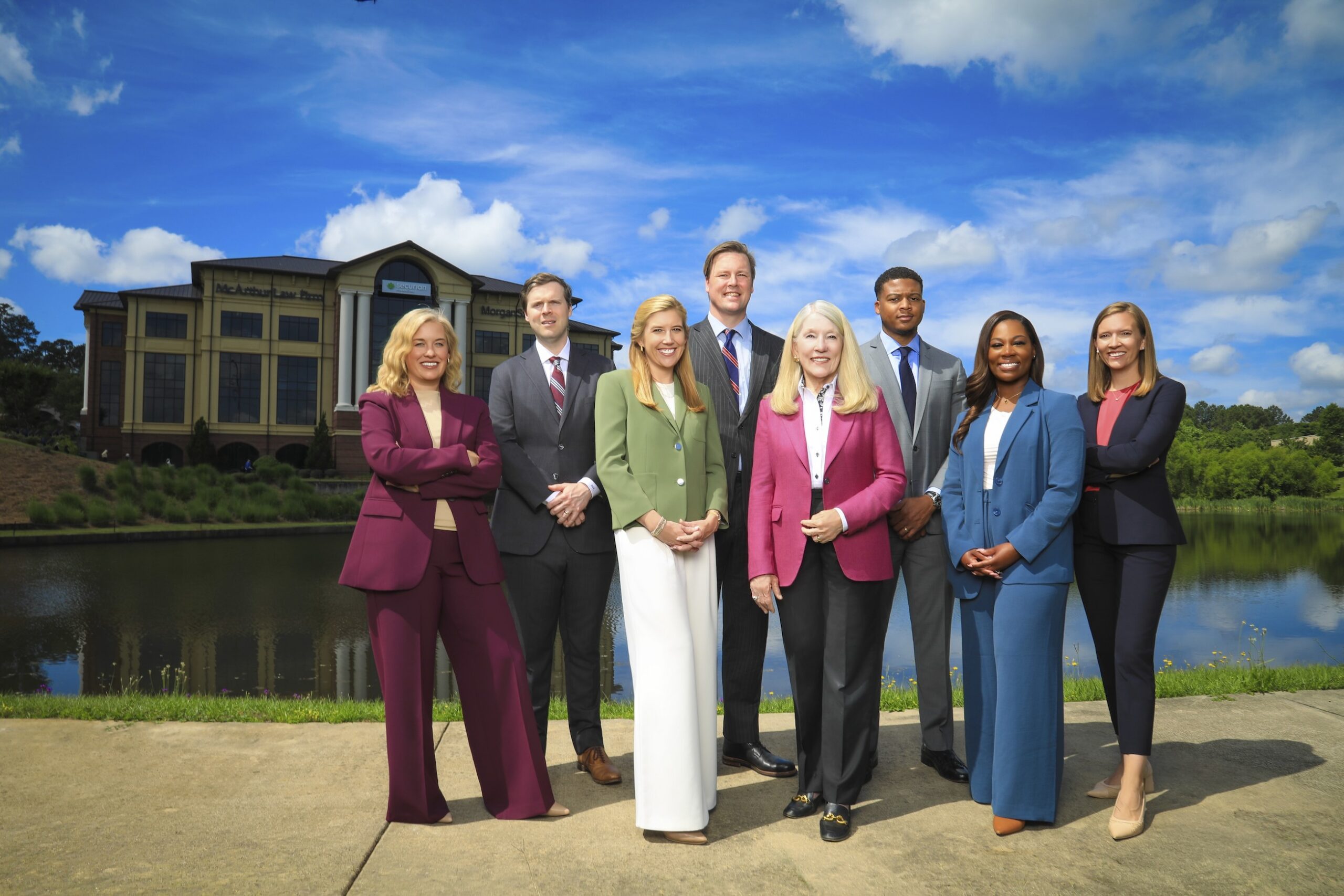



A construction defect can leave a homeowner dealing with problems that threaten both safety and financial stability, water intrusion, structural failure, electrical hazards, mold growth, or a foundation that no longer supports the home as it should. These issues are serious, disruptive, and often costly. When builders or contractors cut corners, overlook essential standards, or refuse to acknowledge the damage, the burden falls on the homeowner. A Georgia construction defect lawyer approaches these cases with a direct and disciplined focus: identifying how the defect happened, determining who is responsible under Georgia law, and taking firm action to protect the homeowner’s rights.
Georgia Construction Defect Lawyer
Many homeowners feel blindsided when they learn that the parties responsible for the construction will not step forward to correct the harm. McArthur Law Firm understands the stress, uncertainty, and expense these defects create and responds by gathering evidence, consulting with qualified professionals, and building a strategy tailored to the home’s specific issues. In this piece, McArthur Law Firm outlines how construction defects arise, who may be accountable, what legal avenues may be available, what forms of compensation may be pursued, and how a Georgia construction defect lawyer can stand up for the homeowner and fight for meaningful recovery.
McArthur Law Firm serves the entire state of Georgia, including: Fulton County, Bibb County and Fulton County, as well as Clayton County, Cherokee County, Forsyth County, and surrounding communities. For more information about the McArthur Law Firm or to set up a free consultation to learn what we may be able to do to help you with your Construction Defect case, give us a call at one of our offices in Georgia or fill out our online contact form.
- Atlanta Office: 404-565-1621
- Macon Office: 478-238-6600
- Warner Robins: 478-551-9901
Overview of Construction Defects in Georgia
- Major Types of Construction Defects in Georgia
- Injuries Caused by Construction Defects in Georgia
- Construction Defect Hotspots in Georgia
- Who Can Be Sued for Construction Defects
- How a Georgia Construction Defect Lawyer Protects the Homeowner
- Frequently Asked Questions About Construction Defects
- Resources
Major Types of Construction Defects in Georgia
Design Defects — These occur when architectural or engineering plans include unsafe calculations, code violations, or planning errors that compromise how the structure will perform. Flaws in load distribution, drainage planning, or structural layout can create serious risks that appear long after construction is finished. Even a small design mistake can cause major failures across multiple parts of the property because every builder and subcontractor relies on the accuracy of the plans.
Material Defects — These arise when the products used in construction are unsafe, poorly manufactured, or unable to perform as required. Faulty roofing shingles, defective concrete, weak steel, counterfeit parts, or substandard electrical components can all lead to early deterioration. Some materials may also be damaged before installation due to improper storage or transportation. When a building relies on compromised materials, problems usually spread and worsen over time.
Workmanship Defects — These result from mistakes, shortcuts, or carelessness during the actual construction work. Inaccurate framing, improper roof installation, uneven flooring, sloppy plumbing connections, and unsafe electrical work are common examples. Because workmanship problems often stay hidden during inspections, homeowners usually discover them only after cracks, leaks, electrical issues, or other visible signs start appearing throughout the property.
Soil and Site Preparation Defects — These stem from inadequate investigation or preparation of the land before building begins. Poor grading, insufficient soil compaction, or failure to account for known soil-movement patterns can lead to foundation shifts, water pooling, erosion, and uneven floors. Even a well-constructed building cannot stay stable if the ground beneath it was not prepared properly.
Structural Defects — These involve failures in the main components that support the building, such as foundation cracks, weakening load-bearing walls, unstable beams, or improperly connected trusses. When the structure itself is compromised, the safety of anyone in the building is at risk. Structural issues often develop from a combination of design errors, poor materials, or faulty workmanship.
Mechanical, Electrical, and Plumbing Defects — These affect the building systems responsible for heating, cooling, power, and water flow. A defective HVAC system may leak or fail to ventilate properly. Electrical circuits installed incorrectly can become overloaded or hazardous. Plumbing defects can cause leaks, mold, clogs, or burst pipes. Because these systems are hidden within walls and floors, homeowners often notice the problem only after serious damage has already occurred.
Building Envelope and Water Intrusion Defects — These occur when the exterior shell of the building fails to keep water and moisture out. Faulty windows, improperly sealed doors, defective siding or stucco, and roof vulnerabilities allow water to enter and damage insulation, drywall, wood framing, and other components. Georgia’s humidity and rainfall make water-intrusion defects especially common and particularly destructive, often spreading until the underlying failure is corrected.
Injuries Caused by Construction Defects in Georgia
Physical Injuries From Unsafe Structures — When structural components weaken or fail, people may suffer injuries from collapsing floors, falling debris, or weakened support beams. These hazards often appear without warning, putting anyone inside the building at risk.
Respiratory Problems From Mold or Moisture — Water intrusion can lead to mold growth and poor air quality. People may develop breathing issues, lingering coughs, allergies, sinus infections, and other respiratory symptoms triggered by damp or contaminated indoor environments.
Electric Shock and Fire Injuries — Faulty wiring or overloaded electrical systems can cause shocks, burns, or even major fires. These hazards often remain hidden behind walls until an injury or emergency occurs.
Illness From Poor Ventilation — HVAC defects may cause carbon monoxide exposure or improper airflow. Poor ventilation can make indoor conditions unsafe, especially for children, older adults, or people with existing health issues.
Slip-and-Fall Harm From Leaks — Water from plumbing or roofing leaks can drip onto floors and create slip hazards. These accidents often cause sprains, fractures, or back injuries.
Heat or Cold Stress — When heating or cooling systems fail because of construction defects, extreme indoor temperatures can lead to heat-related illness or cold exposure, depending on the season.
Construction Defect Hotspots in Georgia
Atlanta Hotspots for Construction Defects — Rapid development across Atlanta increases the likelihood of defects in new homes, townhomes, and mixed-use buildings. Midtown and Buckhead—known for high-rise residential and luxury home construction—experience issues tied to rushed building schedules and dense development. The Westside and Old Fourth Ward areas, where older industrial sites are being converted into new living spaces, often show defects involving plumbing, electrical work, or structural modifications. Suburban growth zones such as Alpharetta, Sandy Springs, Roswell, and Smyrna also see recurring problems in large new subdivisions and townhome communities where builders work quickly to meet demand.
Macon Hotspots for Construction Defects — Macon construction issues often arise in neighborhoods experiencing rapid expansion or renovation. Downtown Macon’s historic buildings frequently develop problems when old structures are updated without proper planning or inspection. North Macon subdivisions sometimes experience workmanship or drainage problems tied to fast-paced development. New multifamily and commercial construction near I-75, as well as expanding areas in Warner Robins and Byron, may show plumbing, roofing, or foundation defects linked to soil conditions or accelerated building timelines.
Who Can Be Sued for Construction Defects
Builders and General Contractors — These parties often carry the main responsibility when a home or building is constructed with unsafe or defective work. Georgia’s Construction Defect Statute, O.C.G.A. § 8-2-38, requires a homeowner to send a written “Notice of Claim” at least 90 days before filing a lawsuit. The notice must describe the defect and provide supporting evidence. The builder may offer repairs or a settlement, but the homeowner may still sue if the response is inadequate or if deadlines are not met. Claims may also involve negligence, breach of contract, or breach of warranty depending on the circumstances.
Subcontractors and Individual Trades — Electricians, plumbers, roofers, HVAC installers, and other trades may be liable when their workmanship falls below Georgia’s required standards. Their responsibility generally arises under traditional negligence or breach-of-contract principles. If licensing rules or building code violations apply to their work, those issues may strengthen the homeowner’s case.
Developers and Property Owners — Developers who oversee the project or influence design and construction decisions may be liable when the finished home is not reasonably safe or properly built. Georgia law recognizes certain implied warranties—including the implied warranty of workmanship and the implied warranty of habitability—when a new home is sold. These warranties require that the home be built to basic standards and be suitable for normal use. If a developer or property owner knew of problems or ignored issues during construction, liability may follow under contract or tort law.
Architects and Engineers — Design professionals can be liable under Georgia’s rules for professional negligence when their plans or calculations fall below the standard of care expected of licensed experts. Errors involving load calculations, drainage planning, code compliance, or structural layout can support these claims. Whether additional licensing or regulatory rules apply depends on the professional’s role and the type of project.
Material Manufacturers and Suppliers — When defects stem from unsafe or poorly manufactured building materials, Georgia’s product liability statute, O.C.G.A. § 51-1-11, may apply. This law holds manufacturers responsible for harm caused by defective products used during construction. In some situations, sellers may also be treated as manufacturers under O.C.G.A. § 51-1-11.1, depending on their involvement with the product. These claims typically focus on whether the material was defectively designed, defectively manufactured, or sold without proper warnings.
Inspectors, HOAs, and Maintenance Entities — Home inspectors, municipal inspectors, homeowners associations, and maintenance companies may share liability when their duties include identifying or repairing issues that relate to the defect. Whether they are responsible depends heavily on the scope of their obligations and any agreements in place.
Statute of Repose for Construction Claims — Georgia also enforces a strict deadline known as a statute of repose. Under O.C.G.A. § 9-3-51, most construction-related claims must be brought within eight years from the substantial completion of the improvement. If the defect is found after this period, the homeowner may lose the right to sue even if the defect is severe. This rule makes early investigation critical in any construction defect case.
How a Georgia Construction Defect Lawyer Protects the Homeowner
Investigation of the Defective Construction Work — A lawyer examines the property, reviews contracts and building records, collects photographs, and works with engineers or inspectors to uncover the true cause and full extent of the defect. This early evaluation helps determine how the defect developed and which parties may be responsible.
Insurance Claims Involving Construction Defects — Construction defects often fall under complicated insurance policies. An attorney reviews all applicable coverage, challenges denied or delayed claims, prepares the documentation insurers require, and pushes for fair payment that reflects the real cost of repairing the damage.
Guidance Through Georgia’s Mandatory Notice of Claim Process — Before a lawsuit can be filed, a homeowner must follow the steps outlined in O.C.G.A. § 8-2-38. A lawyer prepares the written notice, organizes inspections, evaluates any repair offers, and ensures every deadline is met so the homeowner does not lose legal rights.
Lawsuit Strategy for Serious Construction Defects — When repairs are refused or insurance will not pay, the attorney builds a lawsuit using expert testimony, code-violation evidence, construction records, and damage assessments. Litigation focuses on proving how the unsafe condition developed and which parties are legally responsible.
Damages Available in a Georgia Construction Defect Case — A construction defect lawyer pursues compensation for repair or replacement work, relocation or temporary housing, diminished property value, and—when injuries occur—medical bills, lost income, and pain and suffering. Punitive damages may also apply when the conduct is reckless.
Why Construction Defect Cases Require a Specialized Attorney — These claims involve hidden structural problems, multiple responsible parties, detailed engineering evidence, strict legal deadlines, and insurance disputes. A lawyer specifically experienced in Georgia construction defect cases has the technical background and legal knowledge needed to protect the homeowner and secure maximum compensation.
Frequently Asked Questions About Construction Defects
Why might a construction defect cause serious problems for a homeowner?
A construction defect can cause structural, electrical, or moisture problems that threaten property safety and value. Homeowners should document damage quickly, avoid self-repair, and seek professional evaluation to understand options.
What signs show that construction defects may be affecting a home?
Construction defects often show as cracks, leaks, uneven floors, or electrical issues. These signs may reveal deeper damage requiring prompt expert evaluation to determine the cause and prevent property loss.
How long does it take for a construction defect to become noticeable?
A construction defect can develop slowly as materials fail or moisture spreads. Homeowners should watch for unusual smells, noises, or movement and contact experts early to prevent worsening conditions later.
How do construction defects impact a home’s safety and value?
Construction defects can reduce property value and create safety hazards. Homeowners should act quickly by gathering photos, reviewing documents, and arranging a professional inspection to understand the issue and respond.
What should a homeowner do first after spotting a possible construction defect?
A construction defect often requires expert evaluation to determine its cause and scope. Homeowners should avoid making repairs themselves to preserve evidence and strengthen potential insurance claim or legal action.
How does a construction defect lawyer help homeowners facing building problems?
A construction defect lawyer helps homeowners investigate the defect, find responsible parties, manage insurance claims, follow Georgia’s notice requirements, and pursue compensation for repairs, safety risks, lost value, and harm.
Why should someone hire a Georgia construction defect lawyer for a building issue?
A Georgia construction defect lawyer guides homeowners through state deadlines, prepares required notices, coordinates inspections, negotiates with insurers, and files lawsuits when needed to protect property rights and obtain compensation.
What does a construction defects lawyer actually do during a claim?
A construction defects lawyer reviews building records, consults experts, identifies responsible parties, and builds a claim based on evidence. This helps homeowners understand the process and pursue recovery for damage.
How can a construction defect attorney help with insurance and builder disputes?
A construction defect attorney helps homeowners handle insurance rules, resolve disputes with builders, document losses, and prepare claims so they can recover repair costs and secure protection for their investment.
Why is working with a Georgia construction defects lawyer important in serious cases?
A Georgia construction defects lawyer ensures homeowners meet legal deadlines, follow notice procedures, gather evidence, pursue insurance benefits, and file suit when necessary to recover compensation for damage and losses.
Resources
Office of the Attorney General in Georgia – Complaints Against Builders and Construction Contractors — This source explains how Georgia manages contractor licensing and outlines required steps under the Right to Repair Act. It provides information on where consumers can verify contractor licenses and how to report unlicensed activity. Viewers can learn what Georgia law requires before pursuing a residential construction defect claim.
Travelers – Types of Construction Defects — This source describes several categories of construction defects, such as design, material, workmanship, and maintenance issues. It explains how these defects may occur and how they can lead to property damage or operational problems. Viewers can learn the basic ways construction defects arise and which parties may be involved in those issues.
Official Code of Georgia – Limitations on Recovery for Deficiencies Connected with Improvements to Realty —This source provides the Georgia statute that sets time limits for filing claims relating to construction deficiencies. It explains the eight-year statute of repose, the limited extension for certain injuries, and the exclusion for contract-based claims. It also includes annotations showing how courts have applied the statute. Viewers can learn how Georgia law restricts when construction defect claims may be brought.
Hire a Personal Injury Lawyer for Construction Defects in Atlanta, Georgia
McArthur Law Firm serves the cities of Atlanta in Fulton County, Macon in Bibb County, Kathleen in Houston County, Peachtree Corners and Lawrenceville in Gwinnett County, Marietta and Smyrna in Cobb County, Stonecrest, Brookhaven and Dunwoody in Dekalb County, Albany in Dougherty County, Columbus in Muscogee County and throughout the surrounding areas of the state of Georgia.
Contact one of our offices at the following numbers or fill out an online contact form to start building your case.
- Atlanta Office: 404-565-1621
- Macon Office: 478-238-6600
- Warner Robins: 478-551-9901