


A concussion does not announce itself loudly, but in Atlanta and Macon it quietly derails lives every day. One careless driver on I-75, one unsafe property downtown, one violent impact, and suddenly memory fades, focus slips, work becomes harder, and family life feels strained. Insurance companies often treat these injuries like inconveniences instead of brain trauma, hoping victims will give up before the full damage is understood.
Georgia Concussion Lawyer
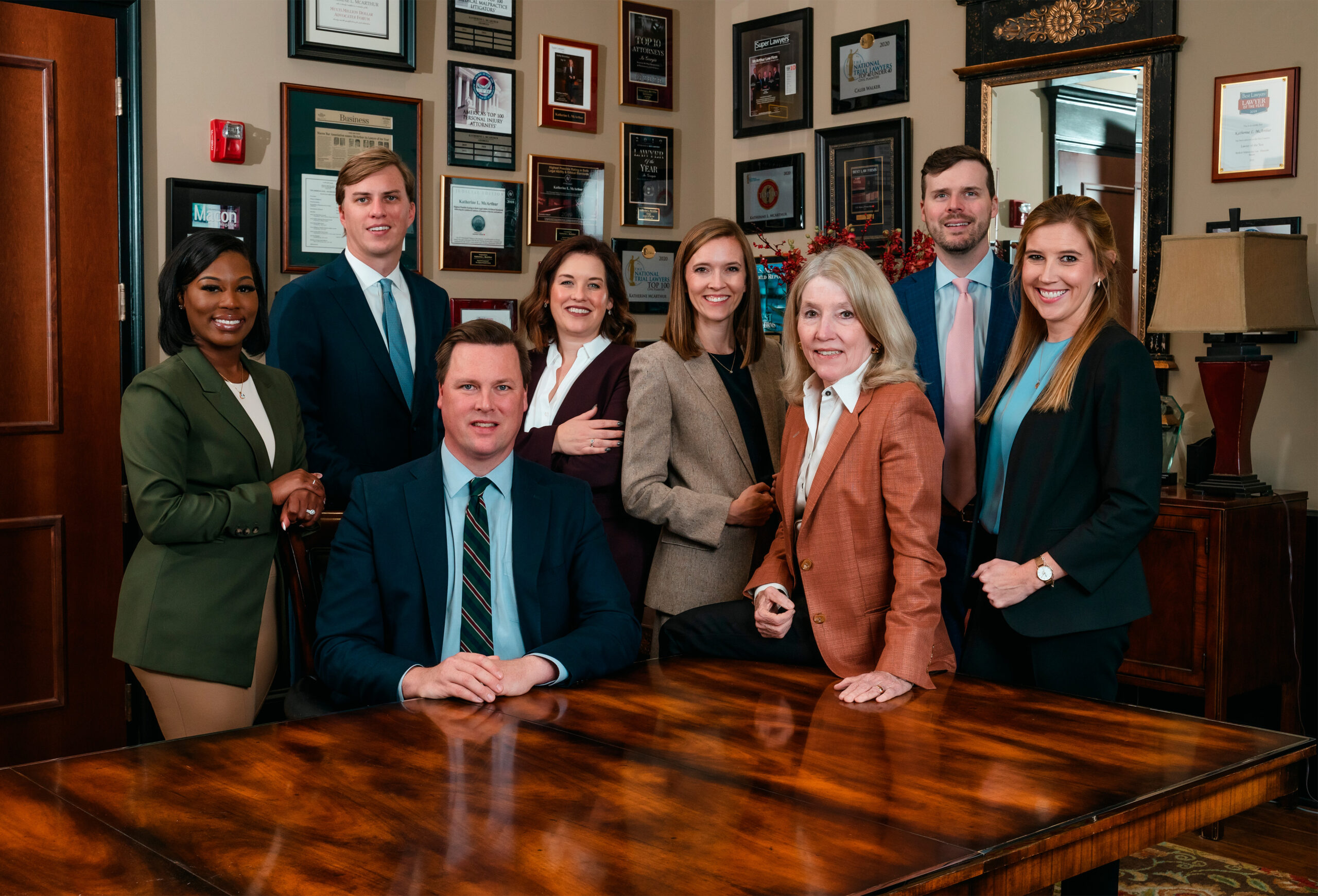
McArthur Law Firm has spent decades standing up to that playbook. With deep roots in Georgia and a long history handling serious brain injury cases, the firm knows how hard insurers fight and how much is at stake for concussion victims. In this piece, McArthur Law Firm lays out how concussions happen, who may be responsible, the legal paths available, the types of compensation that may apply, and how a Georgia concussion lawyer can step in and fight for accountability, compensation, and justice when it matters most.
McArthur Law Firm serves the entire state of Georgia, including: Fulton County, Bibb County and Fulton County, as well as Clayton County, Cherokee County, Forsyth County, and surrounding communities. For more information about the McArthur Law Firm or to set up a free consultation to learn what we may be able to do to help you with your loved one’s concussion case, give us a call at one of our offices in Georgia or fill out our online contact form.
- Atlanta Office: 404-565-1621
- Macon Office: 478-238-6600
- Warner Robins: 478-551-9901
Overview of Concussions in Georgia
- Major Types of Concussions Seen in Georgia Injury Cases
- Top Causes of Concussions in Georgia
- Where Concussions Commonly Occur in Atlanta and Macon
- Who May Be Legally Responsible for a Georgia Concussion
- The Role of a Georgia Concussion Attorney in Atlanta and Macon Cases
- Frequently Asked Questions
- Resources
Major Types of Concussions Seen in Georgia Injury Cases
Mild Concussion — Often dismissed as “just a bump on the head,” this type of concussion typically involves short-term symptoms such as headaches, dizziness, nausea, light sensitivity, or brief confusion. In Georgia concussion cases, these injuries are frequently underestimated, even though symptoms can interfere with work, school, and daily life.
Moderate Concussion With Ongoing Symptoms — This category involves more noticeable neurological disruption, including memory problems, difficulty concentrating, balance issues, and extended recovery time. Unlike mild cases, symptoms may persist for weeks or months and often require continued medical treatment. In Georgia concussion claims, moderate concussions are commonly disputed by insurers because imaging tests may appear normal even when the brain is not functioning properly.
Severe Concussion and Traumatic Brain Injury — The most serious form of concussion involves prolonged loss of consciousness, significant cognitive impairment, or structural brain damage such as bleeding or swelling. These injuries frequently result from high-impact events like major vehicle crashes on Atlanta highways or industrial accidents in Macon. Victims may face permanent disability, require long-term care, or lose the ability to work entirely.
Repetitive Concussions and Cumulative Brain Injury — When a person suffers multiple concussions over time, even if each individual injury seemed minor, the combined effect can be devastating. Repeated head trauma can lead to worsening cognitive function, mood disorders, and increased vulnerability to future injury. This type of Georgia concussion is often seen in sports, construction work, and transportation-related incidents, where safety failures expose individuals to repeated impacts.
Second Impact Syndrome — This rare but dangerous condition occurs when a second concussion happens before the brain has healed from the first. The result can be rapid brain swelling and life-threatening complications. Athletes, construction workers, and accident victims are especially vulnerable if they return to physical activity too soon. Without immediate medical intervention, Second Impact Syndrome can lead to permanent brain damage or death.
Post-Concussion Syndrome — Some victims continue to experience symptoms long after the initial injury should have healed. Chronic headaches, sleep problems, anxiety, depression, and personality changes are common. These symptoms can interfere with work, relationships, and daily activities, significantly reducing quality of life. In many cases, ongoing medical care, therapy, and lifestyle adjustments are necessary to manage long-term effects.
Top Causes of Concussions in Georgia
Motor Vehicle Collisions — Car, truck, motorcycle, and commercial vehicle crashes are one of the most common causes of a Georgia concussion. Rear-end collisions, side-impact crashes, rollovers, and multi-vehicle pileups can all cause violent brain movement inside the skull. Even low-speed motor vehicle crashes can result in concussions through whiplash alone. These injuries frequently stem from distracted driving, speeding, impaired driving, or failure to yield, rather than unavoidable circumstances.
Slip and Fall Incidents — Falls remain a major source of concussions when hazardous conditions are ignored. Wet floors, loose mats, cracked sidewalks, uneven flooring, broken handrails, and poor lighting can all cause sudden loss of balance. In Georgia, concussion-causing falls often happen in grocery stores, retail chains, apartment complexes, hotels, parking decks, office buildings, and public sidewalks throughout Atlanta and Macon. Elderly individuals are especially vulnerable to serious brain injury from even a single fall.
Workplace and Construction Site Injuries — Many Georgia concussion cases arise from unsafe work environments. Falling tools, unsecured equipment, vehicle impacts, ladder falls, and contact with heavy machinery can all cause head trauma. Construction sites, warehouses, factories, and industrial plants in metro Atlanta and Central Georgia present elevated concussion risks when safety training, protective equipment, or supervision is lacking.
Sports and Recreational Activities — Concussions frequently occur during organized sports and recreational activities when safety protocols are ignored. Contact sports, cheerleading, fitness classes, and recreational leagues can all lead to head injuries. In Georgia, these concussions are common in youth sports programs, high school athletics, parks, gyms, and recreation centers when injured participants are not removed from activity promptly.
Pedestrian and Bicycle Accidents — Pedestrians and cyclists face a high risk of concussions when struck by vehicles. Busy Atlanta intersections, crosswalks, and Macon roadways often expose walkers and riders to sudden impacts that cause severe head movement or direct trauma upon hitting pavement.
Falling Objects and Overhead Hazards — Concussions also occur when objects fall from shelves, scaffolding, or elevated surfaces. These injuries are seen in retail stores, warehouses, construction zones, and loading areas across Georgia, often resulting from poor stacking, unsecured materials, or lack of warnings.
Assaults and Physical Attacks — Physical violence can cause concussions through blows to the head or forceful shaking. In Atlanta and Macon, assaults frequently occur in bars, apartment complexes, parking lots, and entertainment venues where inadequate security increases the risk of harm.
Where Concussions Commonly Occur in Atlanta and Macon
Busy Roads and Intersections — Concussions frequently result from car, truck, and motorcycle accidents on heavily traveled roadways where congestion, speeding, or sudden stops are common. In the Atlanta metro area, this includes I-75, I-85, I-20, I-285, and busy downtown corridors, as well as high-traffic surface streets in Midtown, Buckhead, and Decatur. In Macon, head injuries often occur along Eisenhower Parkway, Riverside Drive, Zebulon Road, and near on-ramps to I-75 and I-16.
Retail Stores and Shopping Centers — Slip-and-fall accidents in retail settings are a major source of concussions. Wet floors, uneven surfaces, cluttered aisles, and poor lighting can all lead to serious head injuries. These incidents occur in Atlanta’s malls, grocery stores, and big-box retailers, as well as in Macon shopping centers, strip malls, and standalone stores throughout Bibb County.
Apartment Complexes and Residential Properties — Falls caused by unsafe property conditions are another common cause of concussions. Broken stairs, cracked sidewalks, potholes, loose railings, and inadequate lighting in parking areas can put residents and visitors at risk. These hazards affect apartment complexes, condos, and residential communities across both Atlanta neighborhoods and Macon residential areas.
Workplaces and Activity Spaces — Concussions also occur at construction sites, warehouses, schools, gyms, sports fields, and entertainment venues. Job sites with inadequate safety protocols, schools with unsafe facilities, and crowded event spaces in Atlanta and Macon can all create conditions where head injuries are more likely to occur.
Who May Be Legally Responsible for a Georgia Concussion
Negligent Drivers Under Georgia Traffic Laws — Drivers who cause a crash resulting in a Georgia concussion may be held responsible when they violate Georgia’s Rules of the Road under O.C.G.A. Title 40, Chapter 6. Common violations in concussion cases include distracted driving under O.C.G.A. § 40-6-241 and impaired driving under O.C.G.A. § 40-6-391. Evidence such as police reports, cellphone records, vehicle data, and witness testimony is often used to prove these violations and establish fault in concussion-related crashes.
Property Owners Under Georgia Premises Liability Law — Property owners owe a duty to keep their premises reasonably safe for lawful visitors, as set out in O.C.G.A. § 51-3-1. When unsafe conditions such as wet floors, broken stairs, uneven walkways, inadequate lighting, or missing handrails cause a fall leading to a Georgia concussion, the property owner may be held accountable if they knew or should have known about the hazard and failed to correct it or provide adequate warning.
Employers and Third Parties in Work-Related Concussion Cases — Most workplace concussions fall under Georgia’s workers’ compensation system in O.C.G.A. Title 34, Chapter 9, which provides medical treatment and wage benefits regardless of fault. However, injured workers may also pursue claims against negligent third parties, including contractors, subcontractors, equipment manufacturers, or property owners, whose actions or omissions contributed to the concussion or made the work environment unreasonably dangerous.
Schools, Athletic Programs, and Youth Sports Organizations — Georgia’s Return-to-Play Act, O.C.G.A. § 20-2-324.1, requires immediate removal from play when a concussion is suspected and written medical clearance before an athlete may return. Schools, coaches, and program administrators must also follow training, supervision, and documentation requirements. Ignoring these duties or failing to enforce concussion protocols can expose schools and athletic programs to liability when preventable injuries occur.
Business Owners and Security Providers in Assault-Related Concussions — When a Georgia concussion results from an assault, property owners and security companies may be held responsible under O.C.G.A. § 51-3-1 if they failed to provide reasonable security despite foreseeable criminal activity on the premises.
Statute of Limitations for Georgia Concussion Claims — Most Georgia concussion injury and wrongful death claims must be filed within two years under O.C.G.A. § 9-3-33. Although limited exceptions may apply, missing this deadline can permanently bar recovery, making prompt legal action critical.
The Role of a Georgia Concussion Attorney in Atlanta and Macon Cases
Why Concussion Cases Are Different From Other Injury Claims — A Georgia concussion is often difficult to prove because symptoms may be delayed, scans may appear normal, and insurers downplay the injury. Atlanta and Macon cases require clear medical and factual connections between the incident and ongoing brain-related symptoms.
Handling Insurance Claims for a Georgia Concussion — Insurance companies in metro Atlanta and Central Georgia routinely minimize concussion claims. A Georgia concussion attorney documents neurological symptoms, works with medical providers, and pushes back against low settlement offers that ignore the real effects of a brain injury.
Taking Georgia Concussion Cases to Court — When insurers refuse to act fairly, a concussion lawyer prepares the case for trial. In Atlanta and Macon, this often involves expert testimony explaining how a concussion affects thinking, behavior, and the ability to work, even without visible injuries.
Damages in Georgia Concussion Cases — A Georgia concussion lawyer fights for compensation covering medical care, ongoing treatment, lost income, reduced earning ability, pain, suffering, and loss of quality of life. These damages often reflect long-term limitations, not just short-term symptoms.
Fatal Concussion and Wrongful Death Claims — When a concussion proves fatal, a lawyer pursues wrongful death and estate claims for surviving families. These cases may involve medical costs, funeral expenses, and the full value of the life lost under Georgia law.
Local Experience in Atlanta and Macon Matters — Knowledge of local courts, insurers, and medical providers helps a Georgia concussion lawyer present brain injury evidence clearly and effectively in Atlanta and Macon cases.
Frequently Asked Questions
-
What are the symptoms of a concussion?
Concussion symptoms include headache, dizziness, confusion, nausea, memory problems, balance issues, light sensitivity, and sleep changes, which may appear immediately or days after an injury in Atlanta.
-
How long does a concussion last?
Most concussions resolve within weeks, but some Georgia victims experience symptoms lasting months or longer, especially when injuries involve crashes, falls, or repeated head trauma without proper rest.
-
Can you have a concussion without hitting your head?
A concussion can occur without head impact when sudden movement causes the brain to shift inside the skull, commonly during rear end collisions or slip and fall incidents in Macon.
-
When should someone see a doctor for a concussion?
Medical care should be sought immediately after a suspected concussion, especially if symptoms worsen, persist, or interfere with work or daily activities following an accident in Atlanta or Macon.
-
How is a concussion diagnosed?
Doctors diagnose concussions through symptom evaluation, neurological exams, and cognitive testing, because imaging scans often appear normal despite real brain injury in Georgia concussion patients.
-
Can you get compensation for a concussion from a car accident?
Yes, Georgia law allows concussion victims to seek compensation after car accidents caused by negligence, including medical bills, lost wages, pain, suffering, and future treatment needs.
-
Why do insurance companies deny concussion claims?
Insurance companies deny concussion claims because symptoms are subjective, delayed, and difficult to prove with scans, often arguing injuries are minor or unrelated to the Atlanta accident.
-
How long do you have to file a concussion lawsuit in Georgia?
Most Georgia concussion lawsuits must be filed within two years from the injury date, making early action important for victims in Atlanta and Macon seeking financial recovery.
-
When should someone contact a Georgia concussion lawyer?
A Georgia concussion lawyer should be contacted when symptoms persist, worsen, or affect work or family life after crashes, falls, or assaults in Atlanta or Macon.
Resources
What to Do After a Mild TBI or Concussion (CDC) — This CDC page explains steps to take after a mild traumatic brain injury or concussion. It covers when to seek medical care, how to rest in the first days, and how to return gradually to work, school, and other activities. It also discusses recovery timelines, ongoing symptoms, and when referral to a specialist may be needed.
Concussion (MedlinePlus) — This MedlinePlus resource provides an overview of concussions, including causes, symptoms, diagnosis, and treatment. It explains how concussions affect the brain, warning signs that require urgent care, and typical recovery patterns. The page also links to videos, patient handouts, and resources for children, teens, and adults.
Caring for Concussions (NIH) — This NIH News in Health article explains what concussions are and how they impact brain function. It describes common symptoms, how concussions are diagnosed, and why rest and gradual return to activity are important. It also discusses follow-up care, risks of repeat injuries, and prevention strategies.
Concussion Resources for Community and Schools (Children’s Healthcare of Atlanta) — This page provides concussion education resources for schools, families, and community organizations. It includes guidance on recognizing concussions, supporting recovery, and returning safely to school and sports.
Concussion – Symptoms and Causes (Mayo Clinic) — This Mayo Clinic page explains what a concussion is, common symptoms, and how it occurs. It outlines when to see a doctor, possible complications, and prevention steps. The information is written for patients and caregivers seeking general medical guidance.
Hire a Personal Injury Lawyer for Concussions in Atlanta, Georgia
McArthur Law Firm serves the cities of Atlanta in Fulton County, Macon in Bibb County, Kathleen in Houston County, Peachtree Corners and Lawrenceville in Gwinnett County, Marietta and Smyrna in Cobb County, Stonecrest, Brookhaven and Dunwoody in Dekalb County, Albany in Dougherty County, Columbus in Muscogee County and throughout the surrounding areas of the state of Georgia.
Contact one of our offices at the following numbers or fill out an online contact form to start building your case.
- Atlanta Office: 404-565-1621
- Macon Office: 478-238-6600
- Warner Robins: 478-551-9901