


A head injury in Georgia can quietly dismantle a life, long after the accident itself fades from view. What starts as headaches, confusion, or mood changes can grow into lost careers, strained relationships, and a future that no longer feels stable. Families often recognize the seriousness before insurers do, while insurance companies push to close claims before the full impact is known. Brain injuries are complex, permanent, and deeply personal. They require a lawyer who understands how cognitive damage unfolds over time and who is prepared to confront those who try to minimize it.
Georgia Head Injury Lawyer
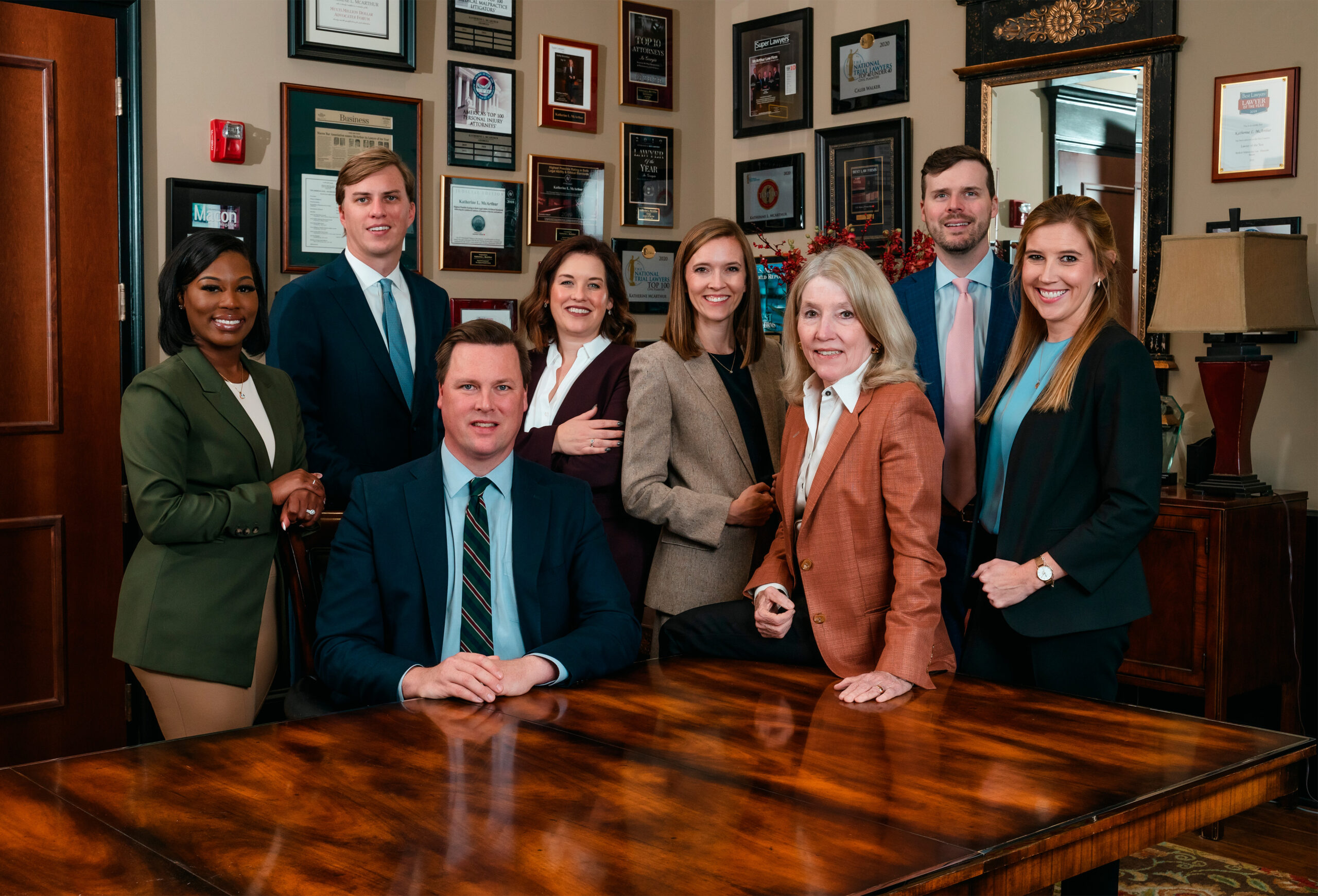
At McArthur Law Firm, decades of experience handling serious head and brain injury cases across Georgia informs a deliberate, thorough approach to every case. In the sections below, McArthur Law Firm explains how head injuries occur, who may be responsible, the legal options available under Georgia law, the types of financial recovery that may be pursued, and how a Georgia head injury lawyer can fight for compensation and justice when the consequences are life-altering.
McArthur Law Firm serves the entire state of Georgia, including: Fulton County, Bibb County and Fulton County, as well as Clayton County, Cherokee County, Forsyth County, and surrounding communities. For more information about the McArthur Law Firm or to set up a free consultation to learn what we may be able to do to help you with your loved one’s head injury case, give us a call at one of our offices in Georgia or fill out our online contact form.
- Atlanta Office: 404-565-1621
- Macon Office: 478-238-6600
- Warner Robins: 478-551-9901
Overview of Head Injuries in Georgia
- Major Types of Head Injuries in Georgia Personal Injury Cases
- Common Causes of Head Injuries in Georgia
- Where Head Injuries Commonly Occur in Atlanta and Macon
- Who May Be Sued for a Head Injury in Georgia
- Role of a Georgia Head Injury Lawyer for Atlanta and Macon Victims
- Frequently Asked Questions About Head Injuries in Georgia
- Resources
Major Types of Head Injuries in Georgia Personal Injury Cases
Traumatic Brain Injury (TBI) — This broad classification refers to damage that disrupts normal brain function and interferes with how the brain processes information, controls movement, or regulates emotions. TBIs may affect one specific area of the brain or multiple regions at once. Victims often experience problems with memory, attention, judgment, and emotional stability. In more serious cases, a TBI can permanently limit a person’s ability to work, maintain relationships, or live independently. Symptoms may evolve over time, which is why ongoing medical evaluation is often necessary.
Concussions — This type of brain injury alters how the brain functions, even when diagnostic imaging does not show structural damage. Many people initially dismiss concussions, yet they can cause lasting issues such as persistent headaches, sleep disruption, mood swings, slowed thinking, and sensitivity to light or noise. Cognitive fatigue and difficulty focusing are common. Without proper treatment and rest, symptoms may intensify or become chronic, significantly affecting daily activities and quality of life.
Skull Fractures — A fracture of the skull occurs when the bone structure protecting the brain is compromised. Some fractures are minor, while others are more complex and increase the risk of brain swelling, infection, or additional neurological injury. Even when surgery is not required, skull fractures often involve prolonged recovery and close monitoring. Long-term effects can include chronic pain, nerve damage, or cognitive changes, depending on the location and severity of the fracture.
Brain Bleeding and Hemorrhages — Bleeding within or around the brain places dangerous pressure on delicate brain tissue. These injuries can progress quietly, with symptoms appearing hours or days later. As pressure builds, victims may experience confusion, loss of consciousness, or neurological decline. Because these injuries can worsen rapidly, they often require emergency treatment and extended medical care. Permanent brain damage is a serious risk when bleeding is not identified early.
Diffuse Axonal Injury (DAI) — This severe and often life-altering injury involves widespread damage to the brain’s nerve pathways. Instead of a single localized injury, communication across the brain is disrupted, leading to profound cognitive and physical impairment. Many individuals with DAI experience extended unconsciousness or coma. Recovery, when possible, is slow and incomplete, frequently requiring long-term rehabilitation and daily assistance.
Anoxic and Hypoxic Brain Injuries — These injuries result from insufficient oxygen reaching the brain, causing brain cells to suffer damage or die. Even short periods without adequate oxygen can lead to permanent impairment. Survivors often struggle with memory loss, speech difficulties, impaired motor function, and reduced mental capacity. The long-term care needs associated with oxygen-deprivation injuries can be extensive and lifelong.
Penetrating Head Injuries — This type of injury involves a foreign object entering the skull and directly damaging brain tissue. The impact can disrupt vital brain functions and cause severe neurological deficits. Recovery is often unpredictable, and complications such as infection, seizures, and permanent disability are common. These injuries frequently result in lasting limitations that affect every aspect of a person’s life.
Common Causes of Head Injuries in Georgia
Motor Vehicle Collisions — The sudden stopping, twisting, or impact involved in a motor vehicle crash can cause the brain to shift inside the skull, disrupting normal brain function. Even when airbags deploy and seatbelts are worn, occupants may still suffer serious head trauma. Symptoms may not appear right away, which can delay diagnosis and treatment.
Truck and Commercial Vehicle Accidents — Crashes involving tractor-trailers, delivery trucks, and other commercial vehicles often result in more severe head injuries due to the significant force involved. Victims may experience complex brain trauma that requires extensive medical care, long-term rehabilitation, and ongoing neurological monitoring.
Falls From Elevations and Same-Level Falls — Head injuries commonly occur when a person loses balance and strikes their head on the ground or another surface. These injuries can range from mild to severe, and even a single fall can lead to lasting brain impairment. Recovery can be especially challenging for older adults.
Workplace and Construction Incidents — Industrial and construction environments expose workers to hazards that can result in head trauma, including falling objects, unstable surfaces, and heavy machinery. Head injuries in these settings often involve prolonged recovery and may permanently affect a person’s ability to return to work.
Sports and Recreational Impacts — Physical contact or sudden movement during recreational activities can alter brain function, even without a direct blow. Repeated impacts increase the risk of cumulative brain damage, which may not be immediately noticeable but can worsen over time.
Violent Physical Acts — Assaults or other violent crimes involving blows to the head can cause serious neurological damage, including bleeding or swelling of the brain. These injuries often lead to lasting emotional, cognitive, and physical challenges that require comprehensive medical care.
Where Head Injuries Commonly Occur in Atlanta and Macon
Major Atlanta Roadways and Interstates — Busy corridors such as I-75, I-85, I-20, and the Downtown Connector see constant traffic congestion and sudden stops, which increases the likelihood of serious head trauma. These areas experience a high volume of daily commuters, rideshare vehicles, and commercial traffic, creating conditions where head injuries frequently occur.
Atlanta Construction Zones and Urban Job Sites — Ongoing development throughout Midtown, Buckhead, and Downtown Atlanta places workers and pedestrians near active construction. Uneven surfaces, scaffolding, and overhead work make these areas common locations for head injuries that may not be immediately apparent but worsen over time.
Public Transit Areas in Atlanta — MARTA stations, platforms, buses, and rail lines involve crowds, stairs, and moving vehicles. Sudden movements, falls, or impacts in these spaces can result in head injuries, particularly during peak commuting hours when platforms and walkways are crowded.
Entertainment and Event Districts in Atlanta — Areas surrounding stadiums, concert venues, and nightlife districts often involve dense foot traffic and distractions. Head injuries may occur in parking decks, walkways, or crowded venues where visibility and footing are limited.
Macon Residential Neighborhoods — Many head injuries in Macon occur in residential areas, including single-family homes, apartment complexes, and senior living communities. Stairways, entryways, and common areas are frequent locations where falls and head impacts happen.
Industrial and Manufacturing Areas in Macon — Macon’s industrial corridors and warehouse zones involve physical labor, machinery, and large facilities. These environments often present conditions where head injuries can occur during routine daily activities, sometimes without immediate symptoms.
Local Roads and Intersections in Macon — Heavily traveled roads such as Eisenhower Parkway, Mercer University Drive, and areas near downtown Macon see steady traffic flow throughout the day. Sudden stops and close-quarter driving increase the risk of head trauma in these locations.
Schools, Parks, and Community Facilities in Macon — Head injuries also occur in places meant for learning and recreation. Gyms, playgrounds, sports fields, and public parks involve physical activity where head impacts may happen and symptoms may not be recognized right away.
Who May Be Sued for a Head Injury in Georgia
Negligent Drivers Under Georgia Injury Law — When a head injury is caused by unsafe driving, Georgia law allows an injured person to pursue compensation based on negligence. Under O.C.G.A. § 51-1-2, negligence is defined as the failure to use ordinary care, meaning the care a reasonably cautious person would use under similar circumstances. Georgia also follows a modified comparative fault system under O.C.G.A. § 51-12-33, which allows damages to be reduced if the injured person is partially at fault and bars recovery if the injured person is 50% or more responsible.
Property Owners and Businesses Under Georgia Premises Liability Law — Georgia premises liability law imposes different duties depending on why the injured person was on the property. For customers and other invitees, O.C.G.A. § 51-3-1 requires property owners to exercise ordinary care in keeping the premises and approaches safe. Social guests are generally considered licensees, and O.C.G.A. § 51-3-2 limits liability unless the injury was caused by willful or wanton conduct. For trespassers, O.C.G.A. § 51-3-3 provides an even narrower duty, typically requiring only that the property owner refrain from intentionally causing harm.
Employers and Third Parties in Work-Related Head Injuries — Most on-the-job head injuries fall under Georgia’s workers’ compensation system. O.C.G.A. § 34-9-11 generally makes workers’ compensation the exclusive remedy against an employer, meaning the employee cannot sue the employer directly. However, Georgia law allows injured workers to pursue claims against negligent third parties, such as contractors or equipment manufacturers, and addresses these rights in O.C.G.A. § 34-9-11.1.
Manufacturers and Sellers in Defective Product Head Injury Cases — When a head injury is caused by a defective product, Georgia law permits claims against manufacturers under O.C.G.A. § 51-1-11, which governs product liability actions based on defective design, manufacturing defects, or inadequate warnings. Georgia distinguishes between manufacturers and sellers; O.C.G.A. § 51-1-11.1 explains that sellers who did not manufacture the product are generally not subject to strict liability, though other legal theories may still apply.
Medical Providers in Head Injury Misdiagnosis or Delayed Treatment — Georgia medical malpractice law applies when a healthcare provider fails to exercise the appropriate degree of care and skill. The general duty owed by medical professionals is set out in O.C.G.A. § 51-1-27. Medical malpractice lawsuits must also comply with procedural requirements, including the expert affidavit requirement in O.C.G.A. § 9-11-9.1, which applies in most professional negligence cases involving medical providers.
Statute of Limitations for Georgia Head Injury Claims — Most Georgia personal injury claims, including head injury cases, must be filed within two years of the date of injury under O.C.G.A. § 9-3-33. Medical malpractice claims are also generally subject to a two-year statute of limitations under O.C.G.A. § 9-3-71(a), along with a five-year statute of repose under O.C.G.A. § 9-3-71(b). Certain limited statutory exceptions can apply, but these deadlines are strictly enforced, making timely legal action critical in head injury cases.
Role of a Georgia Head Injury Lawyer for Atlanta and Macon Victims
Investigating Head Injury Claims in Atlanta and Macon — A Georgia head injury attorney focuses on gathering medical records, neurological evaluations, and diagnostic imaging from local hospitals and providers to prove brain damage that is not always visible. This early investigation is critical in urban Atlanta cases and Central Georgia claims alike.
Handling Insurance Claims for Serious Brain Injuries — Insurance companies often minimize head injuries, especially concussions and mild traumatic brain injuries. A Georgia head injury lawyer manages all communication with insurers, challenges low valuations, and documents long-term cognitive and emotional harm.
Litigating Head Injury Lawsuits in Georgia Courts — When fair resolution is not possible, a Georgia head injury lawyer files and pursues lawsuits in local courts serving Atlanta, Macon, and surrounding counties. These cases require clear medical proof and careful presentation of future damages.
Pursuing Damages Specific to Head Injury Cases — A Georgia head injury lawyer seeks compensation for neurological treatment, rehabilitation, lost earning capacity, permanent cognitive impairment, and reduced quality of life. Head injury damages often extend far beyond typical injury claims due to lifelong effects.
Addressing the Unique Complexity of Brain Injury Cases — Head injury claims demand a level of medical and legal precision that standard injury cases do not. A Georgia head injury lawyer understands how delayed symptoms, evolving diagnoses, and long-term care needs shape both settlement value and trial strategy.
Frequently Asked Questions About Head Injuries in Georgia
What are the most common symptoms of a head injury?
Common symptoms include headaches, dizziness, confusion, memory loss, nausea, balance problems, mood changes, sleep issues, and sensitivity to light or noise after a head injury.
How long after a head injury can symptoms appear?
Head injury symptoms can appear immediately or days later, which is why medical evaluation is important even when a person feels fine initially afterward sometimes.
Can a head injury be serious without losing consciousness?
Yes, a person can suffer a serious brain injury without losing consciousness, and long-term cognitive or emotional problems may still develop over time after trauma.
How long does it take to recover from a head injury?
Recovery time for a head injury varies widely and depends on severity, treatment, age, and whether symptoms are properly managed during the healing process overall.
When should someone in Georgia contact a head injury lawyer?
Someone in Georgia should contact a head injury lawyer as soon as possible after medical treatment if another party may be responsible for the injury.
What does a Georgia head injury attorney do for a case?
A Georgia head injury attorney gathers medical evidence, consults experts, handles insurance companies, and builds a claim showing how the brain injury affects life long-term.
What compensation can a Georgia head injury lawyer help recover?
A head injury lawyer in Georgia helps pursue compensation for medical care, lost income, future treatment, permanent impairment, and pain and suffering caused by injury.
How much does it cost to hire a Georgia head injury lawyer?
Most Georgia head injury lawyers work on contingency, meaning clients pay nothing upfront and legal fees are only owed if compensation is recovered successfully later.
Resources
Georgia Department of Public Health – Traumatic Brain Injury — This source provides information on traumatic brain injury in Georgia, including prevalence data, affected age groups, and economic impact. It outlines concussion prevention initiatives, youth sports safety efforts, and Georgia’s Return-to-Play law. Readers can learn about state surveillance systems, public health programs, and policy approaches related to preventing, identifying, and managing traumatic brain injuries across communities in Georgia.
National Library of Medicine – Epidemiology of Traumatic Brain Injury in Georgia — This peer-reviewed research article presents hospital-based data on traumatic brain injuries in Georgia. It examines causes, severity, treatment, and patient outcomes using a prospective registry approach. Readers can learn about demographic patterns, injury mechanisms, delays in care, and mortality rates, as well as how trauma registries support public health planning and injury prevention strategies.
MedlinePlus – Head Injuries — This source offers general medical information about head injuries, including concussions, skull fractures, and traumatic brain injuries. It explains common causes, warning signs of serious injury, diagnostic tests, and treatment options. Readers can learn when to seek medical help and access related resources such as patient handouts, clinical trials, and links to trusted medical organizations.
Brain and Spinal Injury Trust Fund Commission – How We Help — This source explains how the Georgia Brain and Spinal Injury Trust Fund Commission provides financial assistance to eligible residents with traumatic brain or spinal cord injuries. It outlines eligibility requirements, application processes, and types of support offered, such as medical care, rehabilitation, and assistive services. Readers can also find state reports, registries, and additional resources.
Hire a Personal Injury Lawyer for Head Injuries in Atlanta, Georgia
McArthur Law Firm serves the cities of Atlanta in Fulton County, Macon in Bibb County, Kathleen in Houston County, Peachtree Corners and Lawrenceville in Gwinnett County, Marietta and Smyrna in Cobb County, Stonecrest, Brookhaven and Dunwoody in Dekalb County, Albany in Dougherty County, Columbus in Muscogee County and throughout the surrounding areas of the state of Georgia.
Contact one of our offices at the following numbers or fill out an online contact form to start building your case.
- Atlanta Office: 404-565-1621
- Macon Office: 478-238-6600
- Warner Robins: 478-551-9901